 English
 English
Views: 0 Author: Site Editor Publish Time: 2026-10-28 Origin: Site


Choosing the right printing method is an important part of custom packaging production. It affects the appearance of the finished packaging, production costs, order quantities, and lead times. Digital printing and offset printing each have distinct advantages, and the right choice depends on your packaging requirements and production plans. As a B2B custom packaging manufacturer, CN Eco Packaging evaluates printing solutions based on each customer's design, order quantity, materials, and finishing requirements.
What Is the Difference Between Digital Printing and Offset Printing?
Digital printing transfers artwork directly from a digital file to the printing equipment without requiring traditional printing plates. With lower setup costs, it is suitable for small orders, packaging samples, and projects that require frequent design changes. Its main advantages are flexibility and shorter preparation times, although print quality and finishing capabilities depend on the equipment and materials used.
Offset printing requires printing plates and involves higher initial setup costs. However, as order quantities increase, the printing cost per unit generally decreases, making it a popular choice for large production runs with finalized artwork. Offset printing also offers reliable color control and detailed image reproduction, and it can be combined with finishing techniques such as lamination, foil stamping, and embossing. For large production runs of rigid gift boxes, offset printing may be a practical option when consistent brand colors, detailed graphics, and premium surface finishes are important.
In general, digital printing is more suitable for small quantities and initial sampling, while offset printing is often more cost-effective for larger orders. Actual costs and results depend on factors such as materials, artwork complexity, equipment, and finishing requirements.
Which Printing Method Is Best for Different Packaging Projects?
The best printing method depends on more than the type of box. Order quantity, artwork, paper selection, surface finishes, and production requirements all influence the decision.
For small orders or projects involving several design versions, digital printing can help reduce initial setup costs and make design adjustments easier. It is particularly useful when you need to review the artwork before committing to a larger production run. For larger orders with finalized designs, offset printing may offer better cost efficiency and consistent results across the production batch. It is also worth considering when the project requires detailed graphics, accurate brand colors, or multiple finishing processes.
There is no universal order quantity at which one method automatically becomes better than the other. The most suitable option should be evaluated according to the specific packaging structure and production requirements.
What Should You Consider Before Choosing a Printing Method?
Before selecting a printing method, consider the following factors:
Order quantity: Digital printing may be more economical for small quantities because it does not require traditional printing plates. Offset printing can become more cost-effective as order volumes increase.
Color requirements: If accurate brand colors are essential, confirm your color expectations before mass production. A physical proof or print check can help identify potential differences before the full order begins.
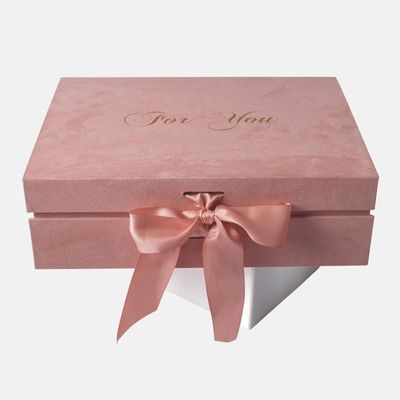
Materials and finishes: Paper type, lamination, foil stamping, embossing, and other finishing processes can affect the final appearance and production cost. For magnetic gift boxes, the printed wrapping paper and selected finishes should be evaluated together to ensure the final result meets your expectations.
Design changes and lead time: Digital printing offers greater flexibility when artwork changes frequently. Offset printing may be more suitable when the design is finalized, and production quantities are larger.
Keep in mind that digital samples and offset-printed products may show some color differences. Colors displayed on a screen may also differ from the final printed result, so it is important to confirm the printing requirements before mass production.

How Does CN Eco Packaging Help You Choose the Right Solution?
At CN Eco Packaging, we evaluate each custom packaging project based on its box structure, artwork, estimated order quantity, materials, and finishing requirements.
For projects involving folding gift boxes, we consider the paperboard, box construction, print requirements, and finishing processes together when assessing the most suitable production approach. This helps align the printing method with the packaging design and intended production volume.
Whether you are developing an initial sample or preparing for mass production, confirming your printing requirements early can help reduce additional costs caused by design changes and support more efficient production planning.
Conclusion
Digital printing is well suited to small orders, initial sampling, and projects that require frequent design changes. Offset printing is often more cost-effective for larger production runs with finalized artwork and specific color or finishing requirements. The right choice depends on your order quantity, artwork, materials, finishes, and production plans—not simply on the printing price.
CN Eco Packaging provides custom packaging solutions tailored to business needs and production requirements. Contact us with your box specifications, design requirements, and estimated order quantity to discuss a suitable printing and production solution for your project.


