 English
 English
 Views: 0 Author: Site Editor Publish Time: 2026-07-30 Origin: Site


Today, eco-friendly packaging is no longer an optional add-on. It has become a critical part of product planning, market competition, and sustainable development for global brands. Whether driven by changing consumer preferences or increasingly strict environmental regulations worldwide, the packaging industry is rapidly moving toward greener, lower-carbon, and more recyclable solutions. Based on industry insights and our years of practical experience, this guide explains the different types of eco-friendly packaging materials, their characteristics, suitable applications, and key considerations when selecting sustainable solutions. We will also combine our expertise in custom packaging to provide brands with more suitable and environmentally responsible packaging strategies. The core purpose of eco-friendly packaging is to reduce environmental impact throughout the entire packaging lifecycle. This means materials should be renewable, recyclable, reusable, or industrially compostable whenever possible. At the same time, production processes should minimize energy consumption, reduce pollution, and avoid harmful chemicals that may affect human health and ecosystems. The ultimate goal is to ensure packaging can integrate into natural cycles more responsibly—from production and usage to disposal.
Paper-Based Eco-Friendly Packaging Materials
Paper-based materials are among the most widely adopted and recognized sustainable packaging solutions today, serving as a fundamental choice for brands and manufacturers across the packaging industry.
Kraft paper has become a popular choice for many brands because of its high strength, durability, and natural appearance. Made from wood fibers, kraft paper is recyclable, renewable, non-toxic, and suitable for direct food contact applications. It is widely used for shopping bags, takeaway packaging, product wrapping, and other packaging solutions. Beyond its environmental benefits, kraft paper also creates a natural and premium visual experience. Its simple texture and organic appearance effectively communicate a brand’s commitment to sustainability and minimalist design.
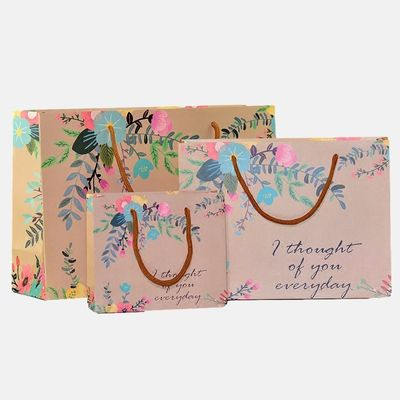
Paperboard offers a stronger and more structured option with a smooth surface that is ideal for high-quality printing. This material is commonly used to produce folding cartons, gift packaging, product trays, beverage packaging, and food boxes that require both visual appeal and structural stability. Lightweight yet durable, paperboard provides reliable product protection while avoiding unnecessary material waste. Recycled corrugated paper and molded fiber are excellent choices for transportation packaging and protective applications. Corrugated paper is lightweight, strong, and highly resistant to compression, making it one of the most common materials for shipping boxes. Molded fiber is created by shaping recycled paper fibers through heat and pressure. It can be customized according to product shapes and is an effective replacement for traditional plastic foam and bubble wrap. It is recyclable, biodegradable, and provides excellent protection for fragile products.
For e-commerce logistics and large-scale product transportation, corrugated boxes have become one of the most popular sustainable packaging solutions due to their excellent strength, recyclability, and cost efficiency. They are also one of the primary options we recommend when developing packaging solutions for customers. In our packaging projects, paper-based materials remain one of the most frequently used and cost-effective sustainable choices for custom packaging.
Biodegradable and Compostable Packaging Materials
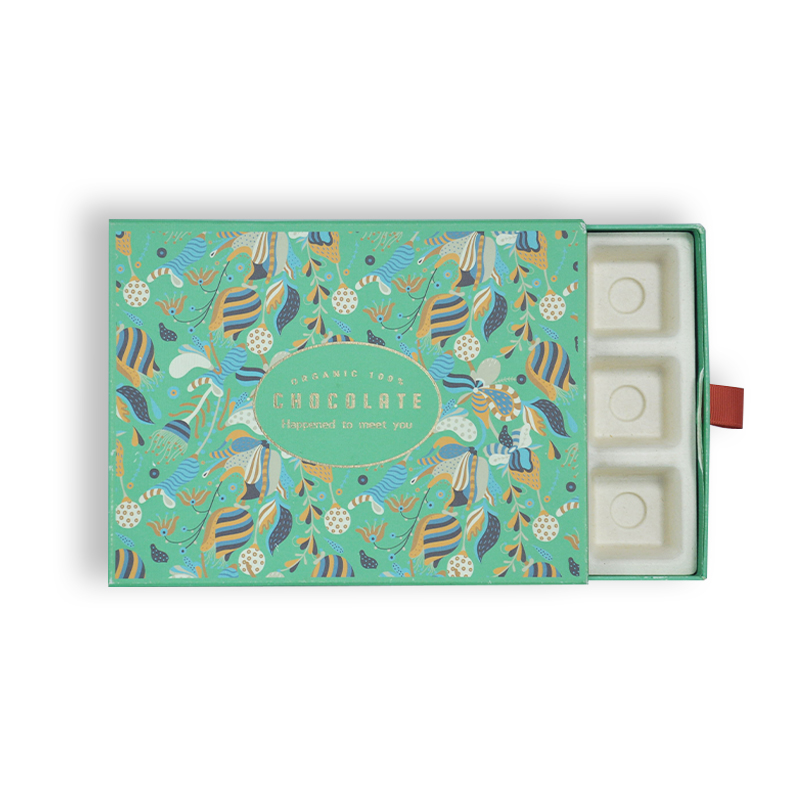
For single-use applications or situations where recycling is difficult, biodegradable and compostable materials provide an effective alternative to traditional plastics. These materials are mainly produced from renewable resources, including sugarcane bagasse, bamboo fiber, corn starch, seaweed extracts, and plant-based PLA. Under industrial composting conditions, they can break down into water, carbon dioxide, and organic matter without leaving long-lasting environmental pollution or creating microplastic waste. Biodegradable materials are especially suitable for food packaging, takeaway containers, disposable tableware, cosmetic inserts, and other applications where hygiene and safety are important. Compared with traditional plastics, these materials not only reduce environmental impact but also help brands comply with increasingly strict plastic reduction policies and sustainability requirements in different markets.
Recycled and Circular Packaging Materials
In addition to paper-based and bio-based materials, recycled plastics, glass, and metals are also important categories within sustainable packaging. Recycled PET and recycled plastics can be processed and reused multiple times, helping reduce dependence on newly produced plastic materials and lowering resource consumption. Glass and aluminum are highly recyclable materials that can be reused repeatedly without significant loss of quality. They are chemically stable, safe, and offer a premium appearance, making them popular choices for cosmetics, skincare, food, and beverage packaging. These materials are particularly suitable for reusable packaging solutions. Beyond their environmental advantages, they can also encourage consumers to keep and reuse packaging, extending the overall product lifecycle.
The Real Value of Eco-Friendly Packaging for Brands
Using sustainable packaging materials brings far more benefits to brands than simply demonstrating environmental responsibility.
First, eco-friendly materials are often safer because they avoid harmful substances such as heavy metals and certain chemical additives. This makes them especially suitable for sensitive industries, including food, baby products, and beauty products. Second, sustainable packaging helps brands meet increasingly strict environmental regulations worldwide and reduces the risk of compliance issues caused by unsuitable packaging choices. At the same time, more consumers are actively supporting brands that demonstrate environmental responsibility. Eco-friendly packaging can strengthen brand perception, improve customer trust, and increase long-term loyalty. In addition, lightweight and simplified packaging structures can reduce storage requirements and transportation weight, helping brands optimize logistics costs. Ultimately, sustainable packaging allows brands to build stronger differentiation and stand out in competitive markets.
Key Factors When Choosing Eco-Friendly Packaging Materials
When selecting sustainable packaging materials, brands should not focus only on whether a material has an “eco-friendly” label. Several practical factors should also be considered.
First, choosing single-material packaging is often preferred because it improves recyclability. Complex multi-layer structures that are difficult to separate may reduce recycling efficiency. Second, materials should be selected according to product requirements. For example, food packaging may require grease- and moisture-resistance, fragile products may need protective structures, and electronic products may require anti-static solutions. Brands should also consider the recycling infrastructure of their target markets. Some compostable materials may not achieve their environmental benefits if suitable composting facilities are unavailable locally. Most importantly, brands should avoid excessive packaging. Reducing unnecessary layers, accessories, and decorative elements is itself an important step toward sustainability.
At CN Eco Packaging, we consider these factors when developing packaging solutions. By combining environmental responsibility, functionality, and brand aesthetics, we create custom packaging that is visually appealing, practical, and genuinely sustainable.
Conclusion
Eco-friendly packaging is not only a future industry trend but also an important step for brands to demonstrate social responsibility and achieve long-term growth. From material selection to structural design, every packaging detail reflects a brand’s values. Sustainable packaging solutions can help companies reduce environmental impact while creating stronger connections with consumers. At CN Eco Packaging, we remain committed to exploring more sustainable, efficient, and market-oriented packaging solutions. Through professional, reliable, and eco-friendly packaging, we aim to help more brands succeed in global markets while contributing to a healthier planet.


