 English
 English
Views: 0 Author: Site Editor Publish Time: 2026-11-10 Origin: Site


In retail environments, products are often displayed alongside similar items, so brands must capture attention and communicate value quickly. Custom packaging plays an important role in this process. Beyond protecting products, packaging serves as one of the most direct ways for consumers to recognize a brand. Well-planned packaging can attract attention, communicate brand information, and help products stand out on crowded shelves. For brands, effective packaging involves more than visual design; it requires a balance of appearance, box structure, material selection, and practical functionality.
Build Brand Recognition Through Visual Design
Products displayed on retail shelves often compete for attention with numerous similar items. Packaging should therefore have clear and recognizable visual features. Color is one of the key elements in creating a first impression. Brands can use distinctive primary colors, complementary tones, and graphic elements to maintain a consistent appearance across different product lines. Logo placement, typography, and product information should also be carefully arranged to ensure that important details remain easy to recognize. Packaging design should reflect the brand's positioning. Clean layouts and restrained color schemes can communicate a modern and professional image, while distinctive color combinations and printing effects can give products a more recognizable appearance.

Choose the Right Box Structure for Product Display
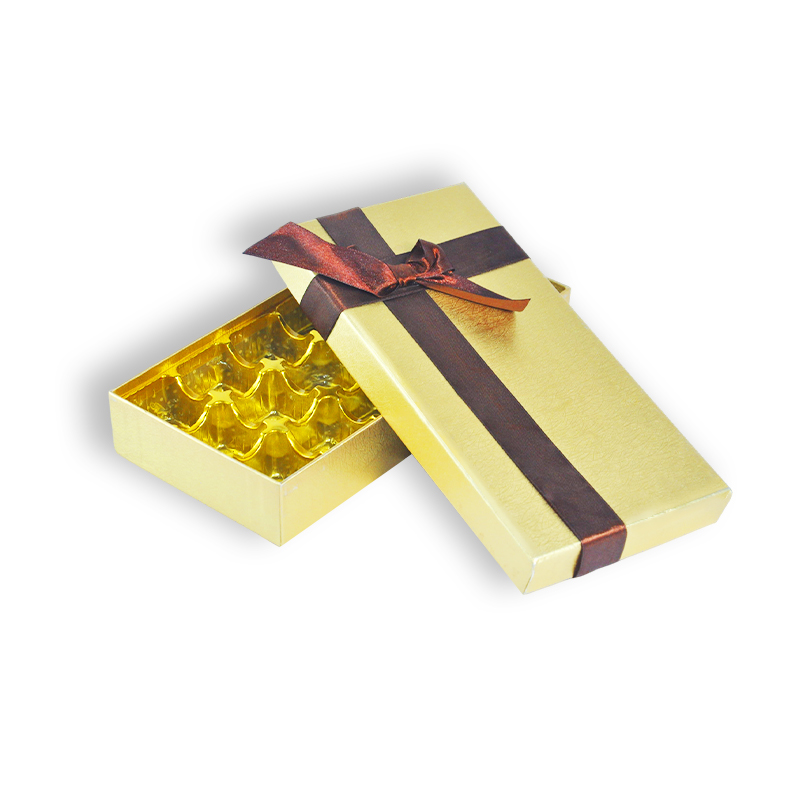
Packaging structure affects not only appearance but also how products are arranged, displayed, and accessed. Different retail products require different packaging formats based on their dimensions, weight, display methods, and protection requirements. For retail boxes, structural design should balance shelf presentation with practical functionality. Lid and base boxes provide a stable structure, drawer boxes offer convenient storage, and magnetic closure boxes provide a smooth opening mechanism with sufficient space for brand presentation. For products displayed in large quantities, consistent box dimensions and structures are also important. Proper sizing helps improve shelf space utilization while reducing unnecessary space during transportation and storage.
How Materials and Finishes Affect Product Presentation
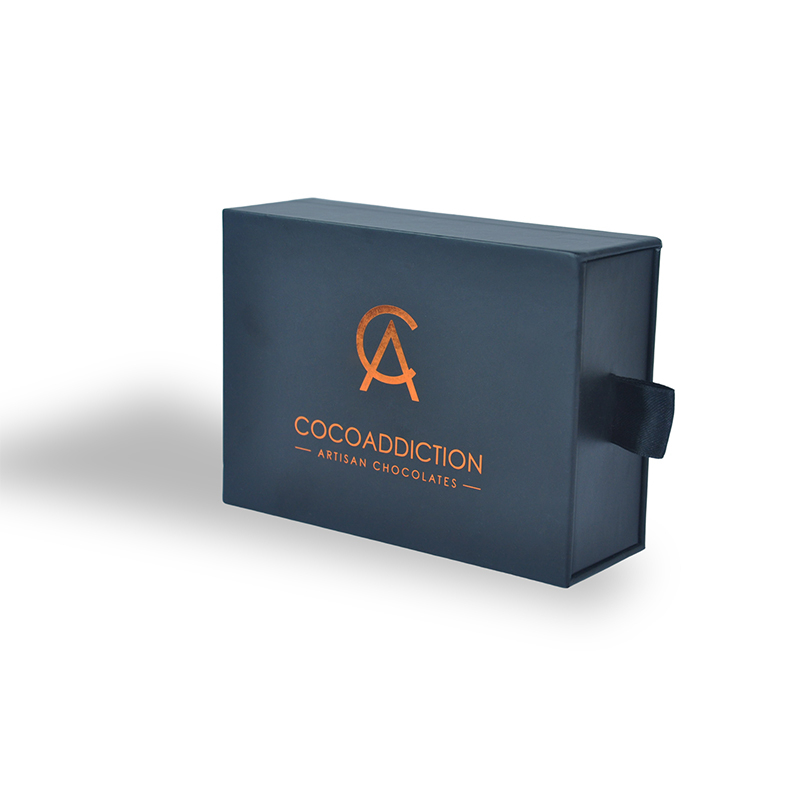
Packaging materials and surface finishes directly influence visual appeal and how consumers perceive product quality. Paper types, surface textures, and printing effects should be selected according to product positioning. Common finishing options include foil stamping, embossing, debossing, and matte or gloss lamination. These techniques can highlight brand logos, graphics, or important product information, but using too many finishes does not necessarily improve the result. A balanced combination creates a cleaner and more professional appearance. Material selection should also consider durability, cost, and environmental requirements. For grocery packaging, visual presentation is only one consideration. Depending on the product, packaging may also need to meet specific requirements for food-contact safety, barrier properties, and transportation protection. Materials intended for direct food contact should comply with applicable food-contact regulations.
Maintain Consistency Across Product Lines
When a brand offers multiple product lines, consistent packaging helps build long-term brand recognition. Consistency does not mean using exactly the same packaging for every product. Instead, brands can maintain recognizable elements such as logos, typography, color systems, and graphic styles while adapting box structures and dimensions to different products. For example, products from the same brand may use different box sizes and colors based on their categories and functions, while retaining the same logo placement and core visual elements. This allows each product to maintain its own characteristics while remaining visually connected to the overall brand.
Balance Packaging Costs, Transportation, and Sustainability
Packaging must meet display requirements while also fitting practical purchasing and supply chain needs. Oversized boxes, inefficient internal structures, and unnecessary decorative finishes can increase material, production, and transportation costs. For brands purchasing packaging in bulk, factors such as material utilization, production efficiency, stacking methods, and shipping space should be considered during the development stage. Collapsible rigid boxes, for example, can reduce storage and transportation volume while retaining the functionality of traditional rigid boxes. Sustainable materials are another important consideration for many brands. Depending on product requirements, options such as FSC-certified paper, recycled paper, and recyclable paper-based materials can help reduce unnecessary material consumption while maintaining packaging functionality.
Conclusion
Packaging plays several roles in retail environments. Beyond attracting attention, it communicates brand identity, presents product features, and meets practical requirements. From visual design and box structure to materials, printing, and transportation costs, each decision contributes to the final packaging result. At CN Eco Packaging, we provide custom packaging solutions with a focus on box structure, material selection, printing, and finishing options. By balancing visual presentation with practical functionality, brands can develop packaging that supports their products in competitive retail markets.


