 English
 English
 Views: 0 Author: Site Editor Publish Time: 2026-02-13 Origin: Site


At CN Eco Packaging, we have seen firsthand how structural design determines whether packaging succeeds or fails in real-world logistics. Many businesses focus only on visual appeal when ordering custom packaging, yet the internal engineering of a package is what truly defines its performance. Structure is the invisible backbone that protects products, controls material usage, and directly influences total cost. A well-designed package balances durability, efficiency, and branding, while a poorly designed one can increase damage rates, shipping fees, and environmental waste.
When we develop custom packaging for our clients, protection is always the first technical priority. Structural design determines how force is distributed when a box is stacked, dropped, or compressed during transportation. The thickness of paperboard, the geometry of folds, and the placement of reinforcements all contribute to load-bearing capacity. For fragile or high-value items, even a few millimeters of additional buffer space or a strategically placed insert can dramatically reduce breakage risk. In contrast, an over-simplified structure may look acceptable on screen but fail under real shipping stress. That is why our engineering team tests designs digitally and physically before production, ensuring each structure matches the product's weight, shape, and fragility level.
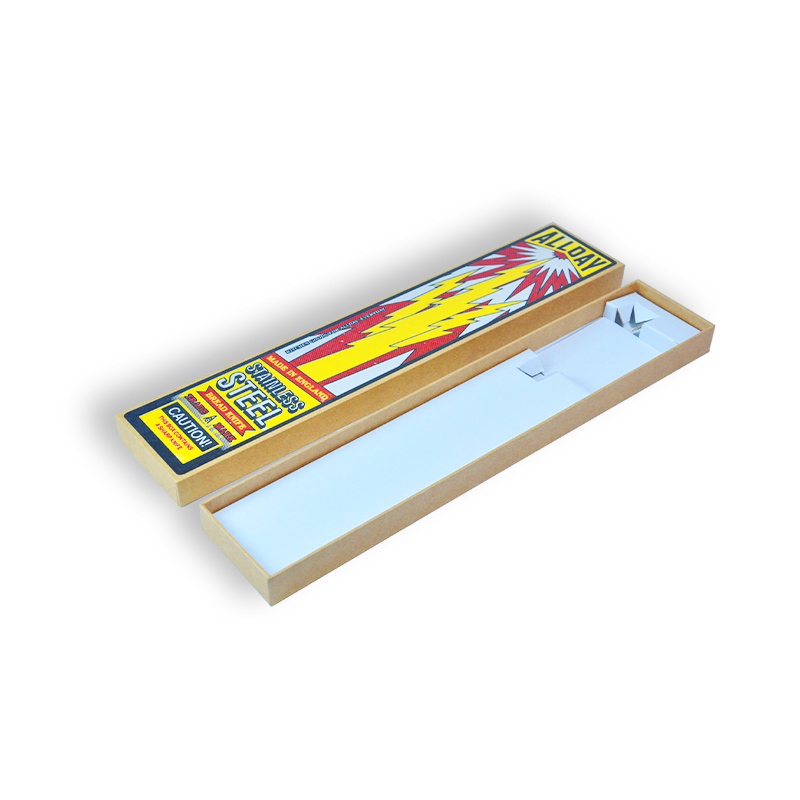
Cost is the second major factor influenced by structural design, and it is often misunderstood. Many assume thicker materials automatically mean better protection, but smarter design frequently achieves the same strength with less material. Structural optimization can reduce board usage, minimize wasted space, and improve pallet efficiency, all of which lower manufacturing and shipping expenses. For example, when dimensions are precisely tailored to a product, companies avoid paying for excess void fill or oversized shipping rates. In custom packaging projects, we often redesign a client’s existing box structure and achieve measurable savings simply by refining fold patterns and panel proportions rather than changing materials.
Another important aspect is production efficiency. Packaging structures that are too complex may require extra assembly time, specialized tooling, or slower machinery speeds, which increases labor and manufacturing costs. A thoughtful design simplifies assembly without sacrificing protection. Our approach is to engineer structures that lock securely, fold intuitively, and run smoothly on automated lines. This ensures that businesses can scale operations without bottlenecks. In the competitive retail and e-commerce environment, saving even a few seconds per unit can translate into significant annual cost reductions.
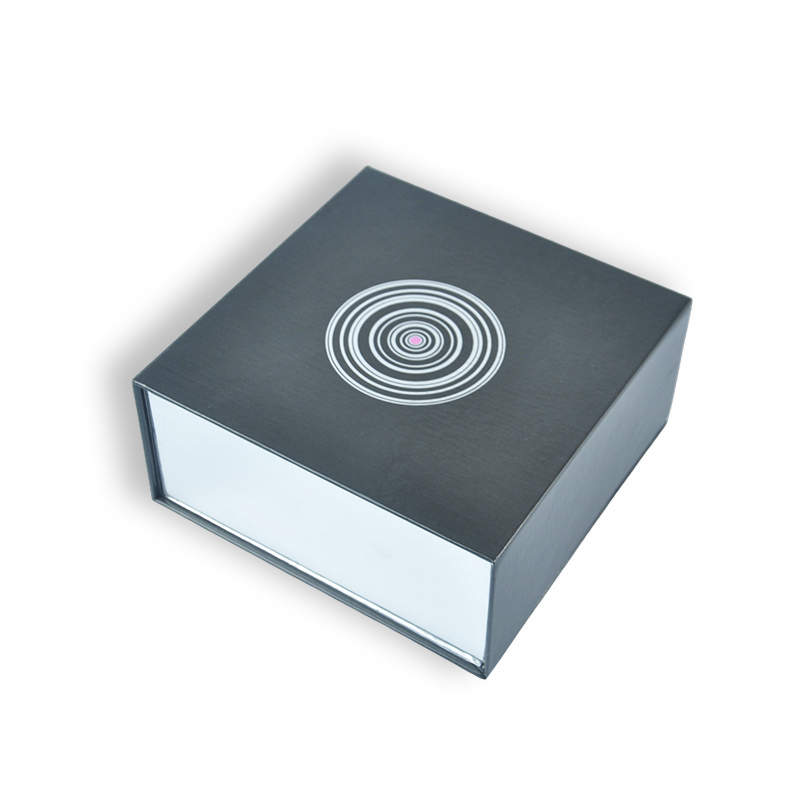
Sustainability is also closely tied to structural decisions. Efficient custom packaging design reduces raw material consumption and shipping weight, which in turn lowers carbon emissions. Instead of relying solely on eco-friendly materials, structural innovation can achieve environmental goals through smarter engineering. For instance, replacing plastic inserts with folded paperboard supports or integrating cushioning directly into the box design eliminates the need for additional components. We have helped many brands transition to greener packaging solutions simply by rethinking structure rather than changing their entire supply chain.
Brand perception is another dimension influenced by packaging structure. Customers often associate the quality of packaging with the quality of the product inside. A rigid, precisely fitted box communicates premium value, while a flimsy or ill-fitting package can undermine trust even before the product is revealed. Structural elements such as magnetic closures, shoulder neck designs, or reinforced corners add tactile satisfaction and enhance unboxing experiences. Through custom packaging, structure becomes part of storytelling, allowing brands to express professionalism, innovation, and care.
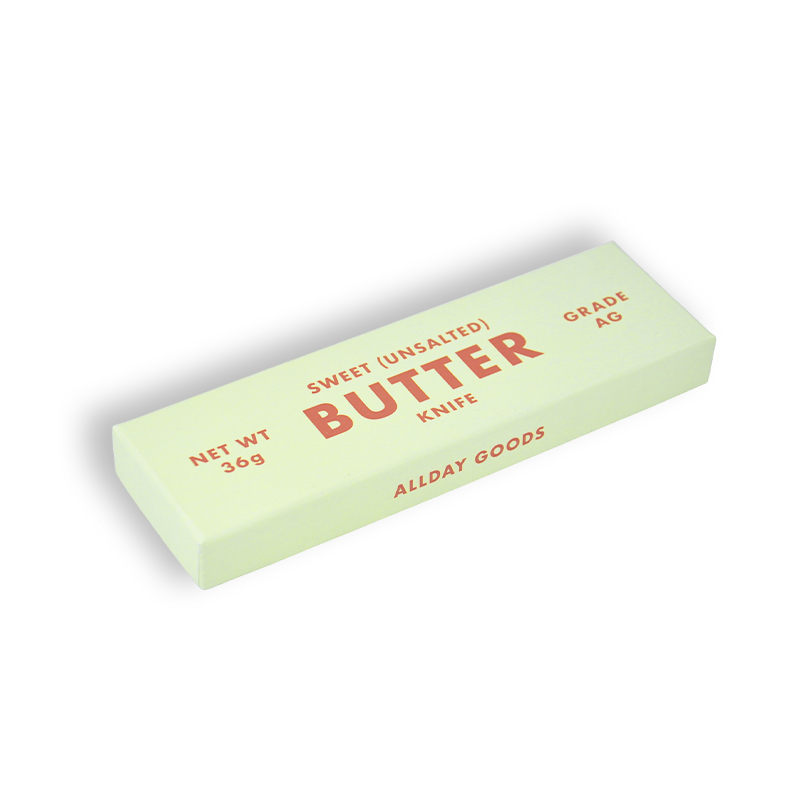
Ultimately, packaging structure is where engineering and branding intersect. Protection, cost control, sustainability, efficiency, and presentation are not separate goals but interconnected outcomes shaped by design decisions made at the earliest stage. Our experience has shown that investing time in structural planning prevents costly revisions later and ensures packaging performs exactly as intended from the factory floor to the customer's doorstep. Businesses that treat structure as a strategic element rather than an afterthought consistently achieve better results in logistics, customer satisfaction, and long-term operational savings.
For companies seeking reliable custom packaging solutions, understanding the impact of structural design is essential. The right structure does more than hold a product; it safeguards brand reputation, optimizes expenses, and supports sustainable growth. That is why we always emphasize that packaging success is not accidental. It is engineered.


