 English
 English
Views: 0 Author: Site Editor Publish Time: 2026-11-12 Origin: Site


Packaging is an important way for brands to communicate with customers. Before experiencing a product, customers often form their first impression through its packaging. Colors, materials, structures, and finishing details can all reflect a brand’s identity, values, and market positioning. Effective packaging brand storytelling goes beyond displaying a logo or using attractive graphics. It turns brand ideas into tangible packaging details that customers can recognize and associate with the brand.
For businesses, packaging also supports brand marketing and product differentiation. Consistent packaging helps establish a recognizable visual identity across product lines and sales channels, making it easier for customers to identify a brand among competing products. Well-planned custom packaging connects brand presentation with practical requirements such as product protection, transportation, and storage.
How Packaging Communicates Brand Identity
Customers often form their first impression of a brand through its packaging. Therefore, colors, typography, materials, and box structures should work together to reflect the brand’s positioning and intended message. For example, clean lines and restrained colors can communicate a modern, minimalist style. Natural paper and recyclable materials can reflect a commitment to sustainability, while refined finishes and distinctive box structures may support a more premium brand image. These choices do more than influence appearance. When packaging elements remain consistent across different products, they help customers recognize the brand and build familiarity over time. A coherent packaging style can also strengthen brand presentation across retail shelves, e-commerce orders, and different product collections.

Key Elements of Packaging Design
Translating brand ideas into physical packaging requires consideration of visual design, box structure, materials, finishes, and interior layout. Each element should support the same brand direction while meeting the product’s functional requirements.
Visual design provides the foundation for brand recognition. Colors, logos, typography, and graphic elements should follow the brand’s existing visual guidelines. Consistent application across different packaging products helps maintain a unified appearance.
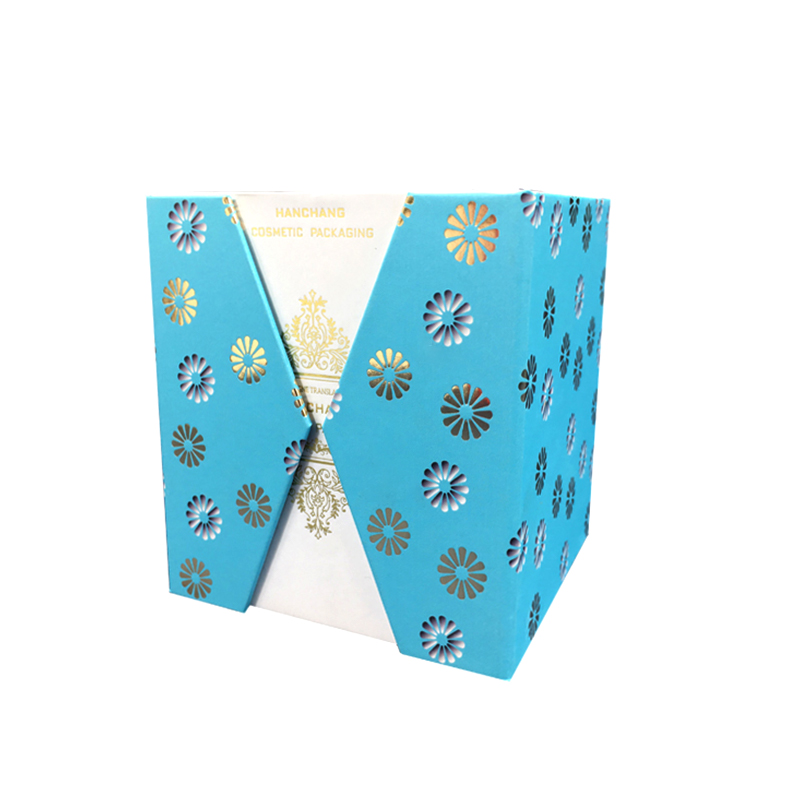
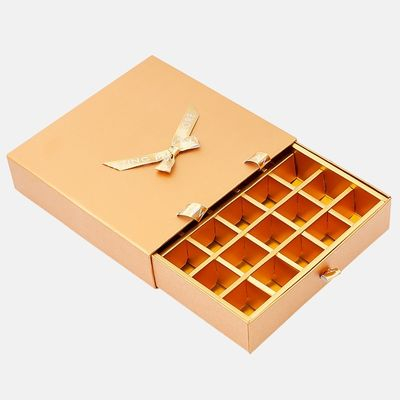
Box structure determines the packaging’s form and how products are presented. Lid and base boxes offer a simple, structured appearance, while magnetic closure boxes combine convenient opening with a clean exterior. Drawer boxes use a sliding sleeve-and-tray construction to create a different presentation. The right structure depends on the product, intended use, and brand positioning.
Materials and finishes influence both the appearance and feel of packaging. Paper textures, surface coatings, foil stamping, embossing, and debossing can all contribute to the overall design. Brands that prioritize sustainability may consider FSC-certified paper and recyclable materials, while those seeking a more understated style may prefer simple materials and subtle finishes. The goal is to select options that communicate brand values without compromising practical requirements.
Inserts and interior structures help secure, protect, and organize products. For jewelry, cosmetics, and product sets, custom inserts can prevent items from shifting during transportation while keeping multiple components neatly arranged. Their materials, colors, and layouts can also complement the exterior packaging.
Choosing Packaging That Matches Brand Positioning
Packaging requirements vary from one brand to another. The right solution depends on the product type, target market, price positioning, and intended use. For example, jewelry brands often require compact rigid boxes with fitted inserts to secure individual pieces. Cosmetics brands may need coordinated packaging in different sizes to maintain consistency across a product range. Corporate gift packaging, on the other hand, may need to accommodate multiple items while balancing structural practicality and presentation.
These requirements directly influence decisions about box dimensions, materials, printing, inserts, and finishing. Brands should consider both visual appearance and practical functionality to ensure that packaging reflects their positioning while meeting product storage, transportation, and presentation needs. A consistent approach across product collections also helps create a more recognizable brand image.
Turning Brand Ideas into Practical Packaging
Developing packaging from an initial concept into a finished product involves more than visual design. Structure development, material selection, sampling, and mass production all determine whether the original concept can be achieved effectively.
The process begins with understanding product dimensions, protection requirements, design references, target costs, and order quantities. Based on these details, a suitable box structure and material combination can be developed. Samples are then produced to check dimensions, structural performance, colors, printing, finishes, and insert compatibility before necessary adjustments are made.
At this stage, design feasibility and production requirements also need to be considered. A packaging concept may look attractive, but its materials, structure, and finishing methods must be suitable for manufacturing at the required quantity and cost. After sample approval, consistent material standards, printing requirements, and quality inspections help ensure that bulk orders meet the approved specifications.
At CN Eco Packaging, we bring 20+ years of gift box experience to packaging projects. As a factory-direct packaging manufacturer, we provide overseas brands with custom gift boxes and packaging solutions covering structure development, material selection, sampling, and mass production. We focus on translating customer requirements into practical packaging solutions while maintaining production standards and quality control.
Conclusion
Packaging connects a brand’s identity with its products and helps communicate its values through tangible design choices. By combining appropriate visual elements, box structures, materials, and interior layouts, businesses can develop packaging that supports brand recognition while meeting practical product requirements. Working with an experienced manufacturing partner helps turn these ideas into consistent, production-ready packaging solutions.


