 English
 English
 Views: 0 Author: Site Editor Publish Time: 2026-02-26 Origin: Site


At CN Eco Packaging, sustainability and cost efficiency are approached not as opposing forces but as design variables that can be engineered to work together within effective custom packaging strategies. Many brands assume that environmentally responsible packaging automatically requires higher budgets, yet real-world production data consistently shows that intelligent material selection, structural optimization, and manufacturing planning can achieve both ecological responsibility and financial efficiency at the same time. The key lies in understanding how each packaging decision affects the full lifecycle of a product, from raw material sourcing to shipping, retail display, and disposal.
Custom packaging provides a unique advantage because it is designed from the ground up rather than adapted from preexisting formats. This flexibility makes it possible to reduce unnecessary material usage without sacrificing durability or visual appeal. Structural engineering plays a central role in this process. By refining wall thickness, adjusting fold geometry, or redesigning internal supports, packaging can maintain protective strength while using less raw material. Even small reductions in board weight or insert size can produce significant cost savings across large production volumes, while also lowering environmental impact through reduced resource consumption and shipping weight.
Material choice is another decisive factor in balancing sustainability and cost. Recyclable paperboard, molded pulp, and responsibly sourced kraft materials often provide both economic and environmental advantages when compared with mixed-material constructions that are difficult to recycle. Selecting mono-material structures simplifies production and waste management while reducing sorting costs in recycling systems. In many cases, simplified material compositions also streamline manufacturing, which lowers labor and processing expenses. The perception that sustainable materials are always more expensive usually stems from outdated assumptions rather than current supply realities, since demand growth has expanded availability and improved pricing for eco-friendly substrates.
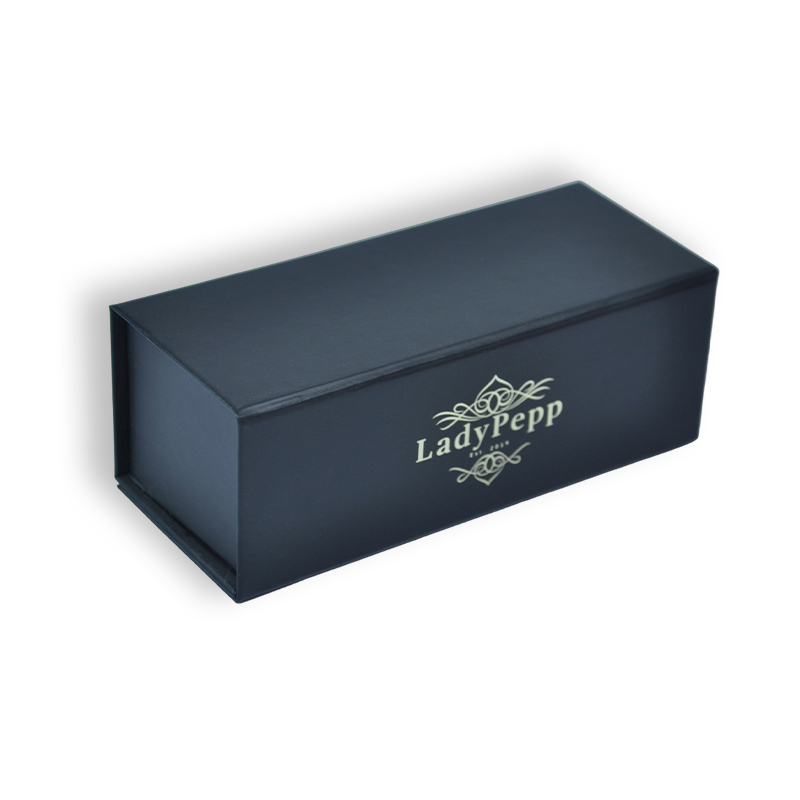
Printing techniques also influence the balance between sustainability and cost in custom packaging. Designs that rely on fewer ink layers or avoid full-surface coverage can reduce ink consumption and drying energy requirements. Strategic graphic placement can maintain strong shelf impact while minimizing resource usage. Digital printing technologies, when applied appropriately, can further reduce waste because they eliminate the need for printing plates and allow precise production quantities, preventing excess inventory that might otherwise be discarded. Thoughtful artwork preparation, therefore, contributes not only to aesthetics but also to measurable sustainability outcomes.
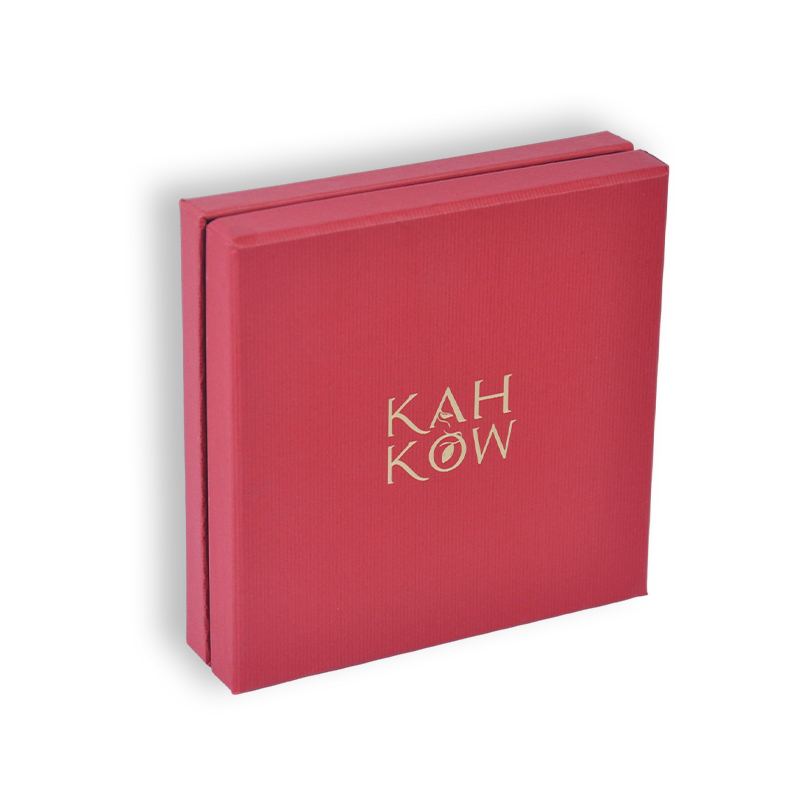
Logistics considerations often present the most overlooked opportunity for optimization. Packaging dimensions directly affect shipping efficiency, pallet configuration, and warehouse storage density. Custom packaging that is engineered to fit products precisely can reduce space inside cartons, allowing more units to be shipped per load. This decreases transportation costs and lowers carbon emissions simultaneously. Flat-pack designs or collapsible structures can also reduce inbound freight expenses before assembly, creating savings throughout the supply chain rather than only at the manufacturing stage.
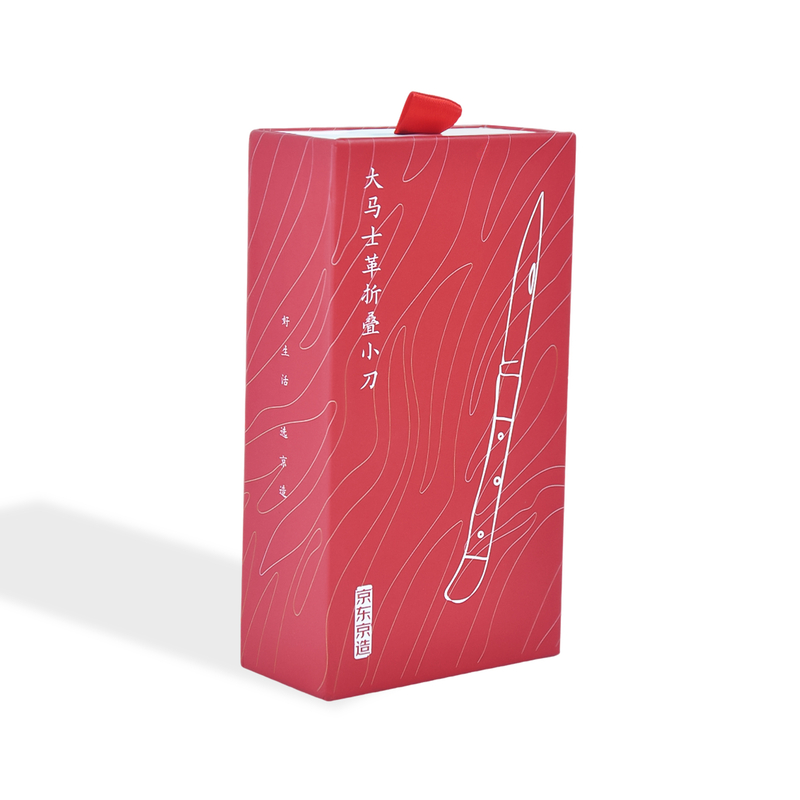
Another critical element is durability. Packaging that fails during transit results in damaged goods, returns, and replacements, all of which increase environmental impact and financial loss. Investing in structurally sound custom packaging reduces these risks and ultimately proves more economical than cheaper alternatives that require frequent replacement or generate product waste. Long-term cost efficiency should therefore be evaluated across the entire distribution cycle instead of focusing solely on the initial unit price.
Brand communication further strengthens the value equation. Consumers increasingly prefer products packaged responsibly, and packaging that visibly reflects sustainable principles can enhance brand reputation and purchasing confidence. Clear labeling, natural textures, and minimalistic design signal environmental responsibility without requiring costly embellishments. When sustainability messaging is integrated directly into the packaging structure and graphics, it eliminates the need for additional marketing materials, indirectly reducing overall expenses.
Achieving harmony between sustainability and affordability is not a single decision but a continuous design philosophy. Each project presents different requirements based on product weight, fragility, market positioning, and shipping conditions. Through collaborative planning, material testing, and production analysis, custom packaging can be optimized to meet environmental goals while remaining commercially viable. The most successful solutions emerge when sustainability is treated as a design parameter rather than an afterthought, allowing every structural and visual element to contribute both ecological and economic value.
Balancing these priorities ultimately demonstrates that responsible packaging is not merely a trend but a practical business strategy. Custom packaging designed with efficiency in mind reduces waste, lowers transportation demands, and strengthens brand perception all at once. When sustainability and cost considerations are integrated from the earliest stages of development, the result is packaging that performs effectively for products, businesses, consumers, and the environment alike.


