 English
 English
 Views: 0 Author: Site Editor Publish Time: 2026-07-10 Origin: Site


Custom packaging plays an indispensable role in modern business operations. Beyond protecting products during transportation and storage, it has become a powerful tool for brand presentation, customer experience, and sustainable business growth. When selecting a packaging partner, many companies focus only on the initial unit price while overlooking critical factors such as product protection, supply chain efficiency, quality consistency, and long-term brand value.
At CN Eco Packaging, we specialize in custom packaging solutions and have accumulated extensive industry expertise in helping businesses identify reliable packaging manufacturers. Based on our experience and industry best practices, this guide provides a comprehensive evaluation framework to help brands compare suppliers and choose the ideal manufacturing partner that aligns with their product requirements, branding objectives, and long-term business goals.
Traditional Factory vs. Full-Service Packaging Solution Provider
When sourcing custom packaging, businesses generally encounter two types of suppliers: traditional packaging factories and full-service packaging solution providers. Understanding the difference between these business models is essential to avoiding project delays, communication issues, and unnecessary costs.
Traditional packaging factories typically manufacture products according to provided drawings or specifications. They rarely offer structural engineering, packaging design, prototype development, testing, or logistics coordination. As a result, customers often need to manage multiple vendors themselves, which can increase complexity, extend project timelines, and reduce overall efficiency.
A full-service provider like CN Eco Packaging delivers an end-to-end custom packaging solution, covering everything from concept development to final delivery. We manage packaging design, structural engineering, sample production, testing, mass manufacturing, quality control, and logistics planning. Every packaging solution is tailored to your product specifications, brand identity, and budget requirements. For startups, growing businesses, and international brands, this integrated approach creates a smoother workflow, stronger brand consistency, and greater long-term value.
Look Beyond Unit Price: Evaluate Total Packaging Cost
One of the biggest mistakes companies make is selecting a packaging manufacturer solely based on the lowest quotation. The true value of custom packaging comes from optimizing the entire supply chain rather than minimizing the initial purchase price. A comprehensive cost evaluation should include tooling expenses, material selection, printing methods, production efficiency, shipping costs, storage requirements, packaging damage rates, and long-term operational savings.
Without compromising quality, businesses can reduce overall packaging costs by optimizing structural designs to minimize material waste and improve shipping efficiency. Replacing expensive rigid boxes with custom folding boxes can significantly lower transportation costs while maintaining an attractive presentation. Precisely sized packaging reduces space and the amount of protective fillers required, resulting in lower freight expenses. Planning production quantities based on actual demand helps avoid unnecessary inventory costs, while selecting durable, environmentally friendly materials reduces damage during transportation and enhances brand reputation.
At CN Eco Packaging, we help customers balance initial investment with long-term business value, ensuring that every custom packaging solution delivers both cost efficiency and reliable performance.
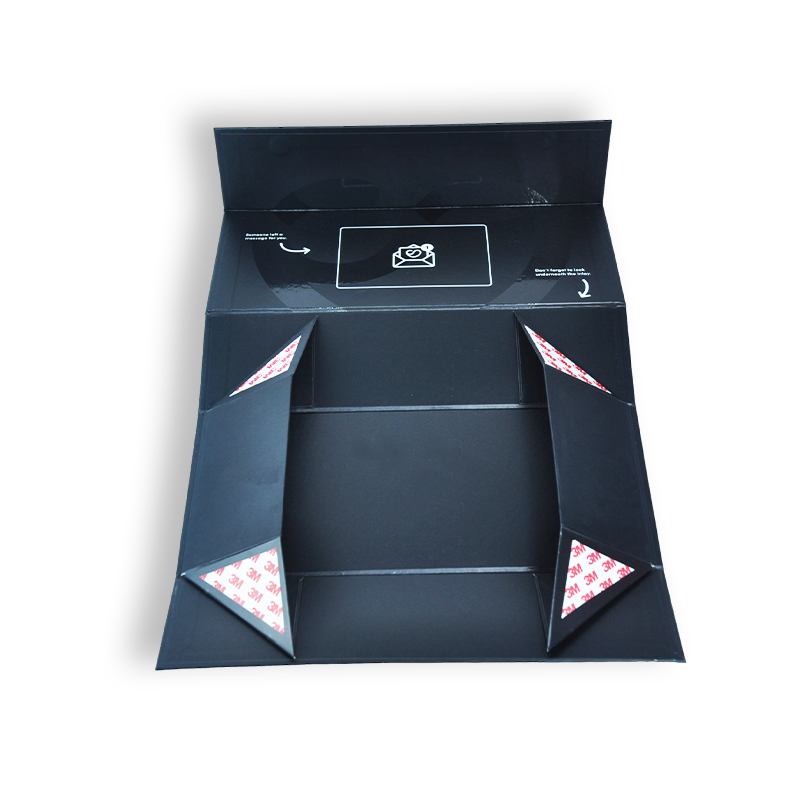
Evaluate Material Selection, Customization Capabilities, and Product Compatibility
Successful custom packaging begins with selecting the right materials. A qualified packaging manufacturer should offer a wide range of material options to accommodate different industries, product types, and sustainability objectives.
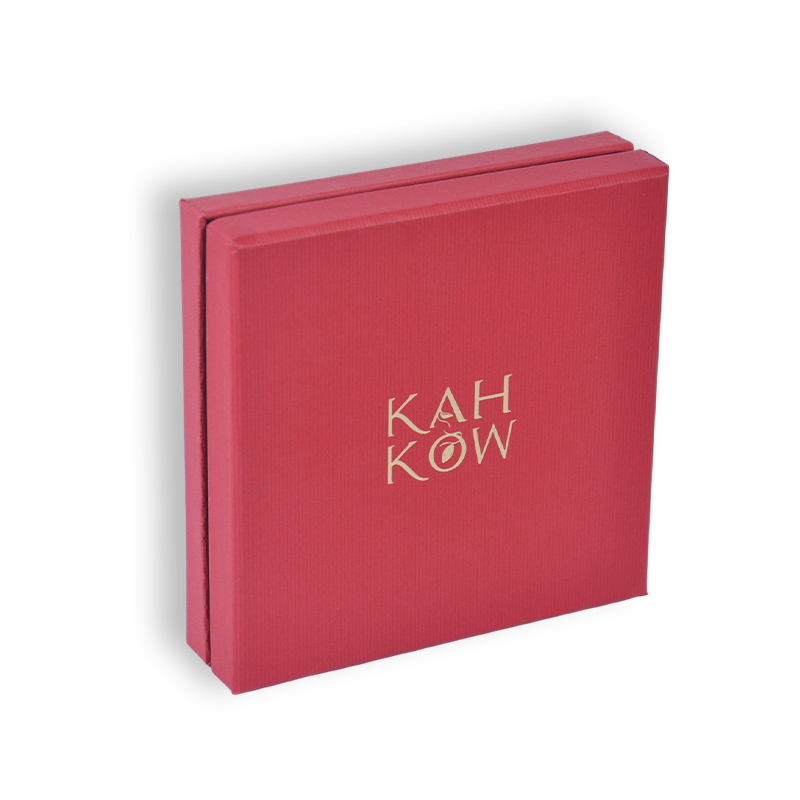
Corrugated cardboard remains one of the most popular choices because it is lightweight, durable, recyclable, and highly cost-effective, making it ideal for e-commerce and shipping applications. Molded pulp provides excellent cushioning while supporting environmentally friendly packaging initiatives and can be customized for irregularly shaped or heavy products. Kraft paper and recycled paper materials have become increasingly popular due to growing consumer demand for sustainable packaging while offering versatile visual styles. Premium specialty papers combined with finishing techniques such as embossing, hot stamping, matte lamination, gloss lamination, and spot UV help luxury brands create distinctive shelf appeal. An experienced manufacturer should also provide flexible customization of packaging dimensions, structures, opening styles, inserts, and printing designs. Whether packaging fragile products, food items, electronics, heavy industrial goods, cosmetics, or luxury gifts, the packaging must fit precisely to maximize protection while enhancing the customer's unboxing experience.
Maintain Strict Quality Control and Professional Testing
Quality is never negotiable in custom packaging. Poor packaging can result in damaged products, customer complaints, costly returns, and long-term damage to brand reputation. Reliable manufacturers operate under certified quality management systems supported by standardized production procedures and comprehensive testing capabilities.
Important quality standards include internationally recognized certifications such as ISO and FSC, while food packaging manufacturers should also comply with applicable food-contact regulations. Professional manufacturers conduct compression tests, burst strength tests, vibration testing, and drop testing to verify packaging performance under real shipping conditions. Consistent printing quality, accurate die-cutting, and reliable assembly should be maintained throughout every production batch. Before mass production begins, complete sampling and approval procedures help eliminate costly production errors.
At CN Eco Packaging, every production stage is monitored through rigorous quality inspections to ensure that every custom packaging solution meets international standards and performs reliably throughout the global supply chain.
Assess Sustainability Capabilities
Driven by changing consumer expectations, environmental regulations, and corporate sustainability initiatives, eco-friendly packaging has become a fundamental requirement rather than an optional feature. Modern packaging manufacturers should provide environmentally responsible solutions, including recyclable, biodegradable, reusable, and plastic-free packaging options.
Sustainable custom packaging reduces carbon emissions, minimizes material waste, and strengthens a company's environmental reputation. Responsible manufacturers prioritize recycled materials, optimize structural designs to reduce resource consumption, and maintain transparent manufacturing practices that support global sustainability goals. Partnering with an environmentally responsible packaging manufacturer enables brands to meet evolving market expectations while contributing to a more sustainable future.
Evaluate Logistics Support and Long-Term Scalability
Reliable delivery is critical for maintaining production schedules, product launches, and inventory management. A dependable packaging manufacturer should provide efficient logistics support, including flexible shipping methods, order tracking, and warehousing services to simplify global supply chain management. Another important consideration is whether the supplier can support your business as it grows. As companies expand into new markets or launch additional product lines, packaging requirements inevitably evolve. A strong manufacturing partner should have the production capacity, material resources, design capabilities, and supply chain flexibility needed to support long-term business growth. Manufacturers with stable operations, diversified production capabilities, and responsive supply chain management are better equipped to provide consistent service despite changing market conditions.
Consider Industry Experience and Customer Service
Every custom packaging project requires close collaboration, transparent communication, and professional guidance. Outstanding packaging manufacturers assign dedicated account managers who provide continuous support throughout the design, sampling, production, and delivery process. Manufacturers with experience across industries such as food, cosmetics, electronics, retail, consumer goods, and luxury products are better prepared to anticipate technical challenges, ensure regulatory compliance, and recommend innovative packaging solutions. Fast communication, flexible problem-solving, and proactive project management significantly reduce risks while improving the overall customer experience.
Conclusion
Choosing the right packaging manufacturer is a strategic investment that directly influences product protection, brand image, operational efficiency, and long-term business success. Custom packaging is far more than a protective container—it represents your brand, communicates product quality, and reflects your company's professionalism.
By evaluating a supplier's service model, total cost optimization, material expertise, customization capabilities, quality assurance, sustainability practices, logistics support, scalability, and customer service, businesses can confidently select a partner that truly understands their goals. At CN Eco Packaging, we are committed to delivering tailored, high-quality custom packaging solutions that protect products, elevate brands, and support sustainable growth. Through our comprehensive end-to-end services and customer-focused approach, we help businesses transform packaging into a competitive advantage in the global marketplace.


