 English
 English
 Views: 0 Author: Site Editor Publish Time: 2026-01-30 Origin: Site


At CN Eco Packaging, we believe great custom packaging begins long before production starts. It starts with properly prepared artwork files. Even the most creative design can face unexpected delays, color inconsistencies, or structural misalignment if technical requirements are overlooked. Custom packaging is a combination of visual creativity and precise engineering, and artwork preparation is the bridge that connects the two. When files are set up correctly from the beginning, the production process becomes faster, smoother, and more cost-efficient.
The first step in preparing artwork for custom packaging is understanding the exact box structure. Every packaging style has a specific dieline that reflects dimensions, folds, glue areas, and cut lines. We always provide an accurate dieline based on the selected material, thickness, and box style. Designing without this template often leads to graphics crossing fold lines incorrectly or important branding being placed too close to the edges. By building artwork directly on the approved dieline, we ensure that the design aligns precisely with the structure and performs as expected during manufacturing.
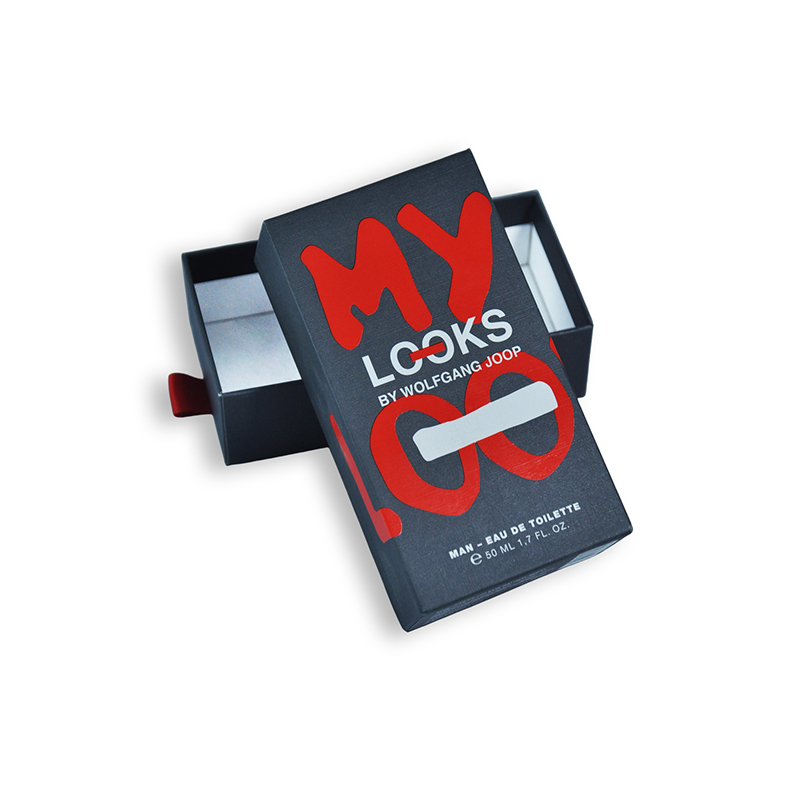
Color setup is another critical factor. Many designs appear perfect on screen but change noticeably once printed because they were created in RGB instead of the CMYK color space. Since custom packaging is produced using print processes that rely on CMYK color modes, converting files before submission is essential for color accuracy. For brands that rely on strict color consistency, especially for logos and signature brand shades, specifying Pantone spot colors is highly recommended. This helps us maintain brand identity across every production batch and different packaging materials.
Bleed and safety margins also play a major role in professional custom packaging results. Printing and die-cutting involve small tolerances, and without proper bleed, unwanted white edges can appear. Background images and colors should extend beyond the cut line, typically by 3mm, to ensure full coverage. At the same time, text, logos, and key information should remain safely inside the cut line to prevent accidental trimming. This balance protects both aesthetics and functionality.
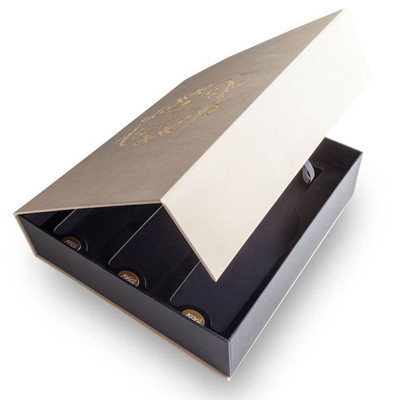
Image quality directly affects how premium the final custom packaging looks. All raster images should be at least 300 DPI at actual print size to avoid pixelation. Low-resolution graphics often appear blurry or unprofessional when enlarged on packaging surfaces. Whenever possible, logos, icons, and typography should be created as vector graphics, which maintain clarity at any size. We find that vector-based design software produces the most reliable results for packaging artwork.
Typography preparation is another detail that can prevent production issues. Fonts that are not outlined may be replaced by default system fonts, altering layout and spacing. Converting all text to outlines ensures that what we see in the file matches exactly what gets printed. Linked images should also be embedded or provided together with the design file to avoid missing elements.
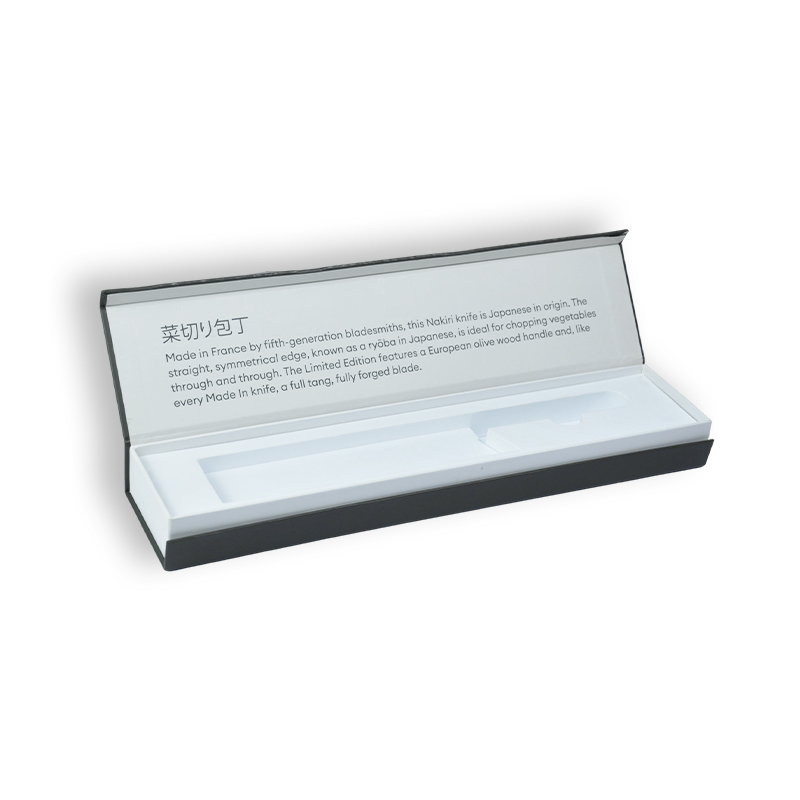
Special finishes add a premium feel to custom packaging, but they require a clear technical setup. Foil stamping, embossing, debossing, and spot UV coatings must be separated into individual layers and clearly labeled. This allows our production team to distinguish decorative effects from the main artwork. Without proper layer organization, special finishes may be misplaced or omitted.
Material choice also influences design preparation. Eco-friendly and textured papers can affect how fine lines and small text appear. Slightly thicker line weights and readable font sizes help maintain clarity on sustainable materials, which we proudly use in many custom packaging projects. Thoughtful adjustments ensure that sustainability does not compromise visual quality.
Before mass production, proofing remains a vital step. Digital proofs or physical samples allow us and our clients to confirm alignment, colors, and overall appearance. This final check ensures the custom packaging matches expectations and prevents large-scale errors.
At CN Eco Packaging, we see artwork preparation as a partnership between design and production. When files are built correctly—with accurate dielines, proper color settings, sufficient bleed, high resolution, and clearly marked finishes—we can transform creative concepts into high-quality custom packaging efficiently. Careful preparation not only protects the design vision but also ensures the final packaging represents the brand with precision and professionalism.


