 English
 English
Views: 0 Author: Site Editor Publish Time: 2026-10-30 Origin: Site


The cost of custom gift boxes depends not only on materials and production processes but also on box structure, dimensions, order quantities, and shipping methods. For brands, wholesalers, and purchasing teams, optimizing these factors can help control overall packaging costs while maintaining product protection and packaging quality. This is especially important for large-volume orders and export shipments, where proper planning can cut unnecessary costs in production, storage, and transportation.
As a custom gift box manufacturer, CN Eco Packaging provides packaging solutions covering structural development, material selection, mass production, and export packaging. Here are five practical ways to help businesses manage custom gift box project costs more effectively.
Choose a Space-Saving Box Structure
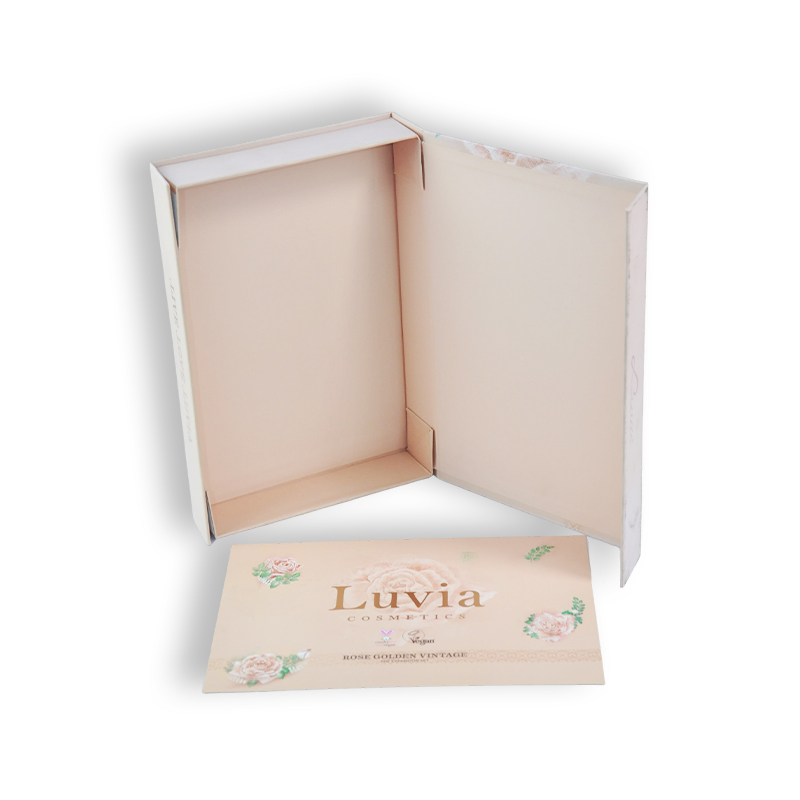
The structure of a gift box affects not only its appearance and functionality but also its shipping volume. Traditional rigid gift boxes are usually packed and shipped in their assembled form after production, taking up relatively more space. Different types of Rigid Boxes can be developed according to product dimensions, structural requirements, and packaging applications. However, for large-volume export orders, the shipping space occupied by non-collapsible boxes may increase storage and transportation costs.
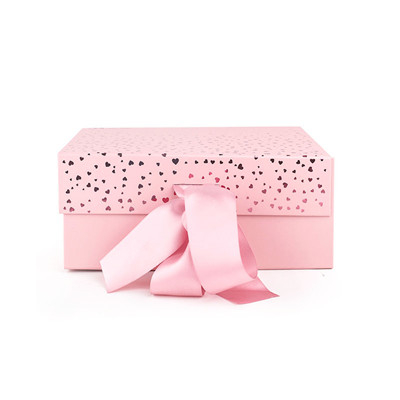
Collapsible rigid boxes offer an alternative. With a specially designed folding structure, these boxes can be shipped flat and assembled after delivery. Compared with conventional rigid boxes, this design helps reduce the space required for transportation and storage while maintaining the appearance and structural characteristics of rigid packaging. When the product is suitable for a collapsible design, buyers can achieve a better balance between packaging quality, product protection, and shipping costs. However, the suitability of this structure should be evaluated based on box dimensions, product weight, and intended use.
Optimize Box Dimensions and Printing Layout
When developing custom packaging, choosing the right box dimensions is an important way to reduce material waste and control production costs. Box dimensions should be planned according to the actual size and shape of the product, as well as the space required for protection. Packaging that is significantly larger than necessary may consume more rigid board, wrapping paper, and insert materials, resulting in additional packaging and shipping expenses. Confirming suitable dimensions during the sampling stage can also help avoid extra costs caused by design changes later in production.
Printing layout is another factor that affects material utilization. During gift box manufacturing, printing imposition and die-cutting layouts need to be arranged according to the paper sheet size and the dimensions of the unfolded box components. By optimizing how different box panels are positioned on each sheet, manufacturers can improve paper utilization and reduce material waste. For orders involving multiple box sizes or styles, production layouts can also be reviewed to identify opportunities for more efficient material use while meeting printing and manufacturing requirements.
Select Suitable Materials and Inserts
Material selection should be based on product characteristics, packaging requirements, and the level of protection needed rather than simply choosing the highest specifications. Custom gift boxes typically involve rigid board, wrapping paper, and various decorative materials. These materials differ in thickness, texture, processing requirements, and cost. Selecting suitable combinations of board and wrapping paper can help achieve the required structural strength and appearance without unnecessary material expenses.
Inserts are another important part of packaging costs. Depending on the product's shape, weight, and cushioning requirements, manufacturers can choose from materials such as EVA, foam, or paperboard. For example, EVA and foam inserts are suitable for packaging that requires a close fit around the product, while paperboard inserts can be designed to work with the overall box structure. The key is to choose inserts that provide sufficient product protection and are practical to manufacture, rather than adding complicated structures or decorative components that are not necessary.

Improve Master Carton Packing
After gift boxes are manufactured, the way they are packed into shipping cartons also affects export transportation efficiency. If the master carton dimensions do not match the gift boxes, or the quantity packed in each carton is not properly planned, unnecessary space may be created, reducing the efficiency of space utilization. Planning carton dimensions and packing quantities before mass production can help businesses manage export packaging costs more effectively.
When preparing a packing plan, manufacturers need to consider gift box dimensions, carton weight, carton strength, and stacking stability during transportation. Increasing the number of boxes in each carton does not always result in better cost efficiency. Overpacking may cause gift boxes to become compressed or damaged during transit. A suitable carton design should balance space utilization with product protection to ensure that goods can be transported safely and efficiently.
Plan Order Quantities and Compare Shipping Options
Order quantities can affect both production arrangements and unit costs. Processes such as printing, die-cutting, and machine setup usually involve certain preparation costs. As a result, the preparation cost allocated to each box may vary depending on the order quantity. Buyers can plan their orders according to actual sales demand, inventory capacity, and purchasing schedules to avoid unnecessary increases in unit costs while keeping inventory risks under control.
Shipping methods should also be selected according to order quantity, destination, and delivery requirements. Sea freight is generally suitable for larger shipments with more flexible delivery schedules, while air freight and international express services may be more appropriate for urgent orders or smaller quantities. When comparing shipping quotations, buyers should consider not only the freight rate but also chargeable weight, shipment volume, transit time, and any potential additional fees. Evaluating shipping costs alongside order planning provides a clearer picture of the total purchasing expenses.
Conclusion: Optimize Costs from Packaging Design to Transportation
Reducing custom gift box costs does not simply mean using fewer materials or lowering packaging quality. It requires careful planning throughout the entire process, from packaging design and material selection to printing layouts and export transportation. Choosing suitable box structures, optimizing dimensions and material utilization, and coordinating order quantities with shipping requirements can help businesses control overall costs while maintaining packaging quality.
CN Eco Packaging provides structural development, sampling, material selection, and mass production services for custom gift boxes. We work with customers to evaluate suitable box structures and production solutions based on their products, packaging requirements, and order needs. If you are looking for a custom gift box manufacturer, contact us to discuss your project and request a quotation.


