 English
 English
 Views: 0 Author: Site Editor Publish Time: 2026-06-17 Origin: Site


At CN Eco Packaging, we have spent years helping businesses across the globe find the sweet spot between cost efficiency and premium quality. Such conversations usually begin like this: "Can we reduce packaging costs?" But the real question we encourage our clients to ask is: “How can we reduce total packaging cost while protecting our brand, our product, and our customer experience?”
The truth is, lowering packaging costs does not mean choosing the cheapest materials or stripping away everything that makes your brand stand out. In fact, some of the most impactful savings come from making smarter decisions earlier in the design and production process—decisions that actually preserve or even enhance quality. Here is how we approach this challenge at CN Eco Packaging, and how you can too.
Start with Structure, Not Just Unit Price
Many brands make the mistake of focusing exclusively on the per-unit cost of a box. But the real cost of custom packaging extends far beyond the material price tag. It includes printing, finishing, tooling, assembly labor, carton packing, storage, freight volume, product damage, returns, and production delays. A lower unit price can quickly become expensive if the package is difficult to assemble, too large to ship efficiently, or too weak to protect the product.
That is why we always begin with structure. Two packages made from the same material can have vastly different total costs depending on how they fold, glue, assemble, pack, and ship. A simple folding carton may run efficiently on standard production equipment, while a complex multi-panel structure may require costly manual assembly. A box that is only slightly oversized can reduce carton count per pallet and increase freight costs significantly.
At CN Eco Packaging, our packaging engineers work with clients to optimize structural design before artwork and finishes are locked in. We consider product fit, folding logic, glue area, assembly time, material usage, insert complexity, carton packing, pallet efficiency, and shipping method. The goal is not the most creative structure—it is the one that protects the product, supports the brand, and can be repeated efficiently in production.
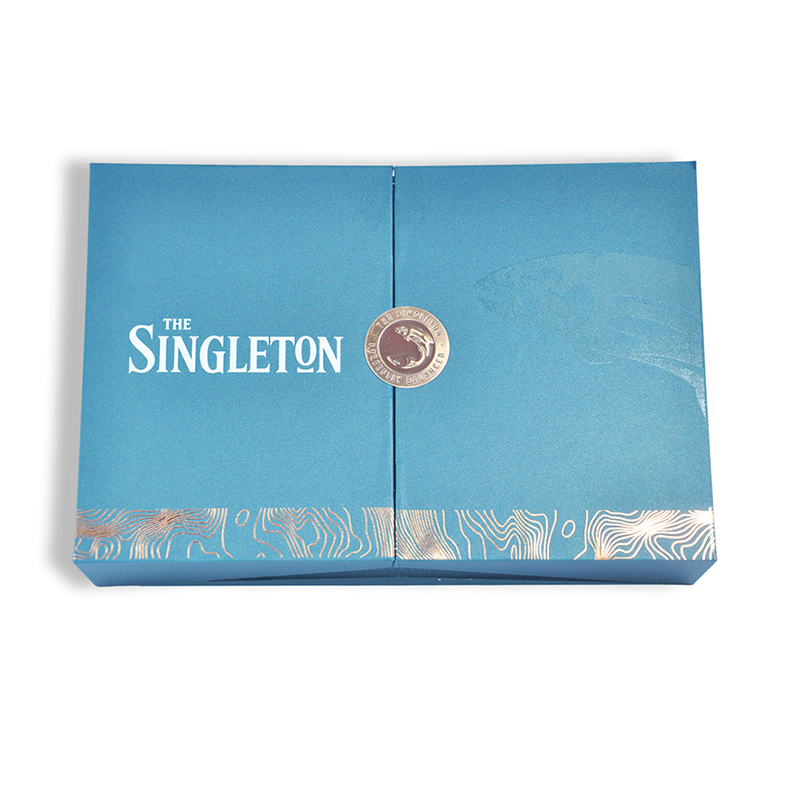
Choose Materials Based on Performance, Not Thickness
Another common misconception is that thicker packaging is always better. A thicker board may feel stronger, but it can also increase cost, create fold cracking, slow down production, and raise shipping weight. In many cases, a better structure with a more suitable material performs better than simply adding thickness.
Material selection should be based on product weight, product fragility, sales channel, shelf life requirements, print quality, surface finish, sustainability goals, shipping protection, order quantity, and target price point. For example, a lightweight retail product may not need a rigid box; a folding carton with the right paperboard and finish can provide enough brand presence at a lower cost. An e-commerce product may need a corrugated structure more than a decorative thickness. A premium cosmetic set may justify rigid boxes and wrapped paper, but only if the margin and customer experience support it.
We offer a full spectrum of paper stocks to match every need—from 10 pt to 28 pt (60 lb to 400 lb), including Eco-Friendly Kraft, E-flute Corrugated, Bux Board, and Cardstock. Cost reduction does not mean choosing the cheapest material; it means choosing the right material for the job.
Simplify Printing and Finishing Strategically
Premium packaging does not always require every premium finish. Foil stamping, embossing, debossing, spot UV, soft-touch coating, matte lamination, textured paper, and metallic inks can all improve perceived value. However, using too many components at the same time may increase setup costs, delivery time, defect risk, and inspection difficulty.
A smarter approach is to choose one or two finishes that support the brand most clearly. Use foil only on the logo instead of across the full design. Use the emboss effect on a single visual focal point, rather than applying it to multiple subtle details. Use strong color blocking instead of multiple finishes. Use textured paper to create tactility without extra coating.
At CN Eco Packaging, we offer a wide range of finishing options—Gloss Lamination, Matte Lamination, Gloss AQ, Gloss UV, Matte UV, Spot UV, Embossing, and Foiling—but we always advise clients to use them selectively. The right printing and finishing plan depends on material, quantity, design, budget, and production method. Printing method also matters: digital printing is useful for short runs and testing, while offset printing is more cost-efficient at higher quantities. Our capabilities include CMYK, CMYK + PMS colors, and No Printing options to match every project scale.
Reduce Assembly and Labor Cost
Labor is one of the most overlooked cost drivers in custom packaging. A package may look simple in a render but require slow manual folding, insert placement, wrapping, or gluing during production. At small quantities, this may not seem serious. At thousands of units, it becomes expensive.
Common labor cost drivers include complex folding sequences, too many separate components, manual insert placement, rigid box wrapping, tight closures, complicated sleeve systems, multi-layer gift sets, hand-applied stickers or labels, and difficult product loading. To reduce labor cost, we recommend simpler box structures, machine-gluable designs, fewer packaging components, standardized insert systems, easier product loading, flat-packed formats where suitable, and shared structures across SKUs. A package that is easy to assemble can reduce cost, shorten lead time, and improve consistency.
Right-Size Packaging to Reduce Freight and Storage Costs
Packaging size affects more than appearance. A few extra millimeters can affect units per carton, cartons per pallet, warehouse storage, container loading, dimensional weight, freight cost, and protective packing requirements. Oversized packaging often creates hidden cost—the brand pays more for material, then pays again for shipping unused space.
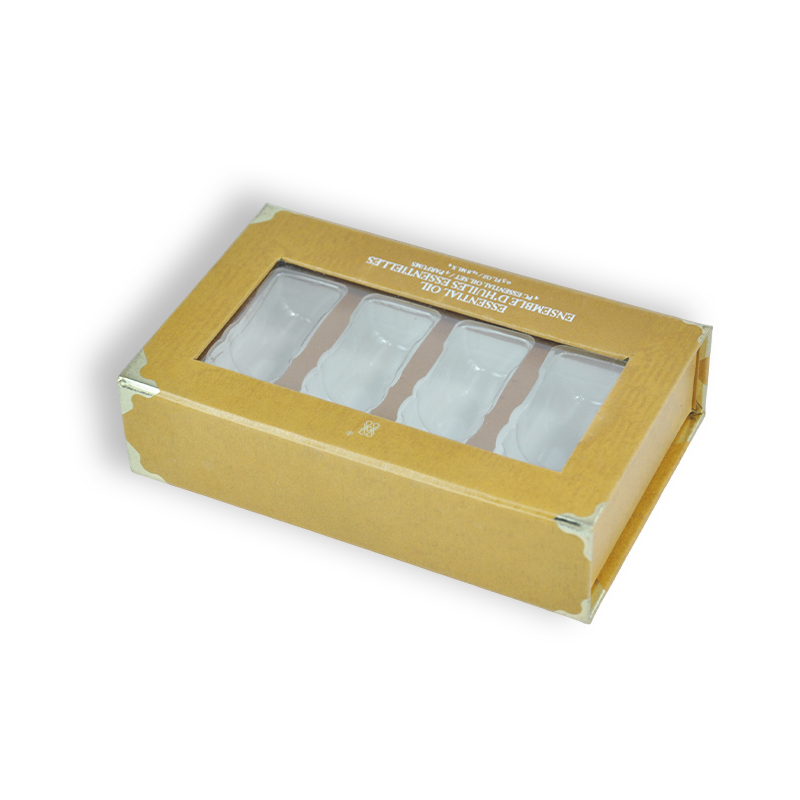
Packaging size optimization refers to making the packaging fit the product closely while leaving enough space to meet protection needs, tolerate insertion force errors, and improve user experience. This is especially important for e-commerce, subscription boxes, heavy products, fragile items, and international shipping. A premium package should still be efficient to store, pack, and ship. With CN Eco Packaging, all custom sizes and shapes are available, and our team helps clients find the optimal dimensions that balance protection with logistics efficiency.
Leverage Standardization to Cut Costs and Keep Brand Cohesion
When you manage multiple product variants, creating a bespoke package for each one quickly inflates your budget. A far more economical path is to keep the primary box construction identical across your range, then differentiate through surface treatments. For instance, you might apply different printed sleeves, adhesive labels, or belly bands to indicate flavour, size, or collection. Where product dimensions allow, use the same internal inserts to reduce mould and cutting costs. Adopting a modular design philosophy—where outer shells remain constant while inner trays or dividers adjust—also slashes tooling expenses and simplifies reordering. This approach does not dull your brand’s personality; on the contrary, a unified family of packages with coordinated graphics and finishing creates a sleek, premium shelf presence that customers instantly recognise. The key is to separate the structural backbone from the visual storytelling—the former drives efficiency, the latter delivers emotion.
Sampling: Your Insurance Against Costly Blunders
Skipping the sampling phase might seem like a quick way to trim the budget, but in reality, it often triggers far greater expenses down the line. A physical or digital prototype does more than show you how the finished piece will look—it verifies that your product slips in snugly, that the folds hold firm, that the insert stays put during transit, and that the barcode scans without a glitch. It also confirms colour accuracy, surface texture, print registration, and the correct application of any special effects. At CN Eco Packaging, we treat sampling as a non-negotiable quality gate. We offer flat visuals, interactive 3D renderings, and, upon request, tangible production-grade samples so you can test every detail with your actual item. The modest investment in sampling pays back many times over by catching mismatches, alignment errors, or material weaknesses before they become million-unit disasters. Remember, a problem found early is a problem that never reaches your customer.
The Hidden Perils of Short-Sighted Cost-Cutting
Not every saving tactic is a wise one. Some decisions that lower the quoted price actually raise your total cost of ownership. Opting for a flimsier substrate may save cents per unit but invite crushing, tearing, or warp damage that fuels returns and negative reviews. Eliminating protective inserts without rigorous testing can allow your product to shift inside the package, leading to breakage and a ruined unboxing moment. Foregoing sampling often results in off-register prints or ill-fitting lids that require expensive rework. Accepting the lowest bid from a supplier might hide poor quality control, unreliable communication, or hidden surcharges. Skimping on outer carton strength raises the chance of freight damage and insurance claims. Dropping all decorative finishes can make your packaging look generic and reduce perceived value. Overlooking regulatory labelling or material compliance could force last-minute relabelling or even customs rejection. The objective is never to cut corners—it is to eliminate waste while preserving the package's essential functions: protection, presentation, and performance. Smart cost management strengthens your brand and safeguards your launch timeline.
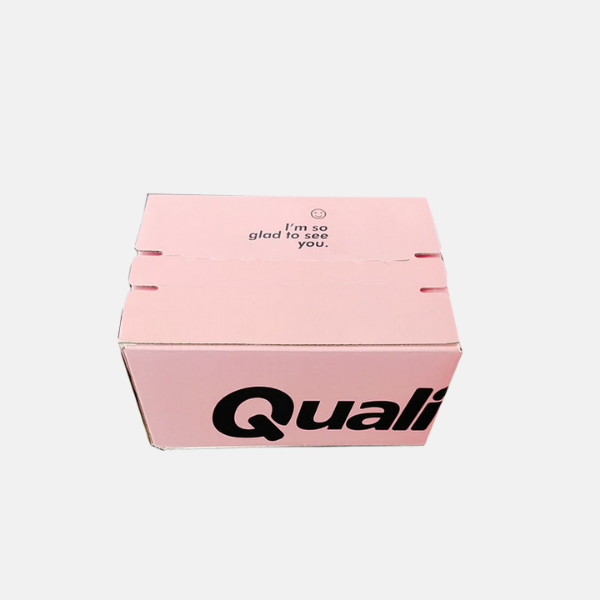
Why CN Eco Packaging Is Your Ideal Partner
At CN Eco Packaging, we don't simply manufacture boxes—we engineer comprehensive packaging ecosystems that align with your business goals. Our turnkey solutions span the entire production chain, from precision die-cutting, high-speed gluing, and accurate scoring to custom perforation and eco-conscious material sourcing. We offer recycled paperboards, biodegradable coatings, and FSC-certified stocks without compromising on durability or aesthetics. Our credentials—verified by Alibaba and certified by SGS, ROHS, and FSC—give you the confidence that every shipment meets international standards.
Whether your project calls for custom rigid boxes, mailer boxes, gift boxes, jewelry boxes, soap boxes, tuck boxes, pillow boxes, display boxes, kraft boxes, corrugated boxes, or cardboard boxes, our team collaborates with you from concept to delivery. We analyse your product dimensions, logistics routes, and brand values to recommend the optimal structure, substrate, printing technique, and finishing combination—all aimed at minimising total landed cost while maximising visual impact.
Final Thought: Cost Efficiency Through Intelligence, Not Compromise
Ultimately, reducing expenditure on custom packaging is not about downgrading quality; it is about upgrading your decision-making process. The largest gains come from thoughtful structural design, performance-based material selection, labour-saving assembly methods, SKU consolidation, dimensional optimisation, rigorous prototyping, and logistics-aware planning. When product safety, brand equity, and cost control are balanced together, your packaging becomes a strategic asset—economical, reliable, and memorable.
Ready to transform your packaging economics without sacrificing excellence? Reach out to CN Eco Packaging today, and let our specialists craft a smarter, leaner, and more beautiful packaging solution for your brand.


