 English
 English
Views: 0 Author: Site Editor Publish Time: 2026-10-20 Origin: Site


Packaging does more than hold a product. It helps protect products during transportation, supports brand identity, and influences how customers perceive a product. However, mistakes in packaging design, material selection, and production planning can lead to unnecessary costs, product damage, and inconsistent presentation. At CN Eco Packaging, we work with brands and businesses to develop custom packaging solutions for different products and industries. Based on our manufacturing experience, here are six common packaging mistakes brands should avoid.
Choosing the Wrong Box Size
Choosing the right box size is essential for both product protection and packaging efficiency. A box that is larger than necessary can increase the need for void fillers and occupy additional warehouse and shipping space. A box that is too small, however, may leave insufficient room for protective inserts or put pressure on the product. When developing Custom Gift Boxes, brands should consider the product dimensions, insert requirements, and overall box structure together. A well-planned size helps balance product protection, presentation, and material use.
Overlooking Product Protection
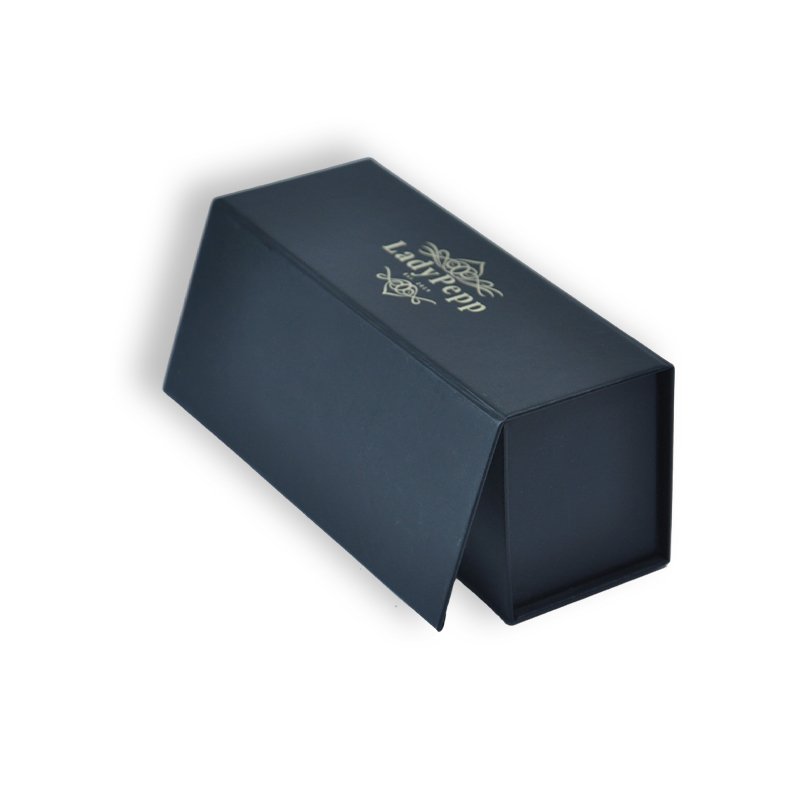
Attractive packaging cannot compensate for inadequate product protection. During transportation, packages may experience vibration, impact, compression, and repeated handling. Without suitable internal support, products can shift inside the box and become scratched, broken, or damaged. Depending on the product, inserts made from foam, EVA, or paperboard can help keep items securely positioned. At CN Eco Packaging, we recommend considering the outer box and interior insert as one packaging solution rather than treating them as separate components.
Focusing on Appearance Instead of Function
Packaging should reflect a brand's identity while remaining practical to use. Printing, foil stamping, embossing, and other surface finishes can improve visual presentation, but they should not replace careful structural planning. For Custom Cosmetic Boxes, for example, brands may need to accommodate bottles, jars, tubes, and multiple product components. The box structure and insert should fit the actual products while providing a consistent appearance. Considering these requirements early can help avoid costly changes after production begins.

Using Excessive Packaging Materials
More packaging does not necessarily mean better protection. Oversized boxes, unnecessary layers, and excessive fillers may increase material consumption, storage requirements, and shipping costs. They can also create additional waste after the product is unpacked. Packaging materials and box construction should be selected according to the product's protection needs and practical handling requirements. By considering box dimensions, board strength, and insert design during development, brands can work toward a better balance between protection, material efficiency, and presentation.
Ignoring Storage and Transportation Requirements
Packaging must perform well beyond the factory. Before reaching the end customer, boxes may be stacked in warehouses, packed into shipping cartons, and transported over long distances. Poorly planned dimensions or insufficient structural support can increase the risk of deformation and product damage. For delicate items, Custom Jewelry Boxes may require fitted inserts to keep each piece in place. For other products, the appropriate board construction and box design will depend on product weight, shipping conditions, and storage requirements. Considering the supply chain from the beginning helps businesses make more practical packaging decisions.

Skipping Sample Testing Before Mass Production
A packaging design may look correct on a screen but reveal problems when it is physically produced. Dimensions, lid fit, opening and closing performance, insert positioning, printing, and surface finishes should all be checked on an actual sample. At CN Eco Packaging, sampling is an important step before mass production. It allows customers to evaluate the structure and appearance, confirm product fit, and identify adjustments before committing to a larger order. Early checks can help reduce avoidable production issues and improve consistency across the final batch.
Conclusion
Avoiding packaging mistakes requires more than choosing an attractive box. Brands need to consider product dimensions, protection, material use, branding, storage, transportation, and production feasibility as part of the same process. At CN Eco Packaging, we provide factory-based B2B custom packaging solutions, supporting customers with packaging development, sampling, manufacturing, and quality control. By discussing product requirements and packaging goals early, we help businesses work toward packaging solutions that balance presentation, protection, and practical production needs.


