 English
 English
 Views: 0 Author: Site Editor Publish Time: 2026-02-28 Origin: Site


At CN Eco Packaging, we often meet clients who want environmentally responsible solutions but are unsure whether recyclable or biodegradable materials are the better choice. As a provider of custom packaging for brands across multiple industries, we understand how confusing sustainability terminology can be, especially when both options are marketed as "eco-friendly." Although these two packaging types share the same goal of reducing environmental impact, they function very differently, and understanding that distinction is essential for making responsible business decisions.
We see recyclable packaging as a solution designed for circular use. Recyclable materials such as paperboard, corrugated cardboard, certain plastics, aluminum, and glass can be collected, processed, and remanufactured into new products after their initial life cycle. When we design custom packaging for our clients using recyclable substrates, we focus on material purity, structural integrity, and compatibility with recycling systems. A recyclable box, mailer, or tube must be made from materials that most recycling facilities can actually accept, it risks ending up in landfills despite being technically recyclable. This is why we always evaluate inks, coatings, adhesives, and laminations before recommending a packaging structure. Even a small non-recyclable component can affect the recyclability of the entire package.
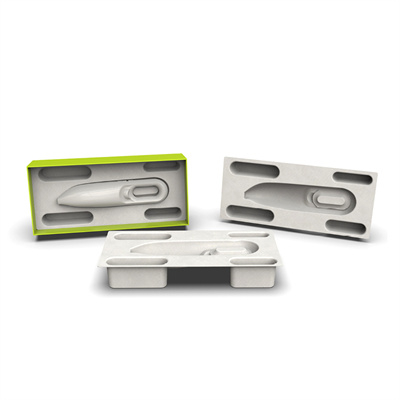
Biodegradable packaging, on the other hand, is engineered to break down naturally over time through the action of microorganisms such as bacteria and fungi. Instead of being processed into new materials, biodegradable packaging decomposes into natural elements like water, carbon dioxide, and biomass. From our experience developing custom packaging solutions, biodegradable materials are often chosen by brands seeking to reduce long-term waste accumulation, especially for short-lifecycle products or single-use packaging. However, biodegradability depends heavily on environmental conditions. Some materials require industrial composting facilities with specific temperature and humidity levels, while others can decompose in soil or marine environments. Without the proper disposal conditions, biodegradable packaging may not break down as quickly as expected.
We always emphasize that recyclable and biodegradable do not mean the same thing, and neither is automatically superior in every scenario. Recyclable packaging supports resource conservation because it keeps raw materials in circulation, reducing the need for virgin resources. This can significantly lower energy consumption and carbon emissions when recycling systems are efficient. Biodegradable packaging supports waste reduction by minimizing long-term pollution, particularly in situations where recycling infrastructure is limited or unavailable. Choosing between them requires analyzing the product type, shipping method, customer location, and disposal behavior.
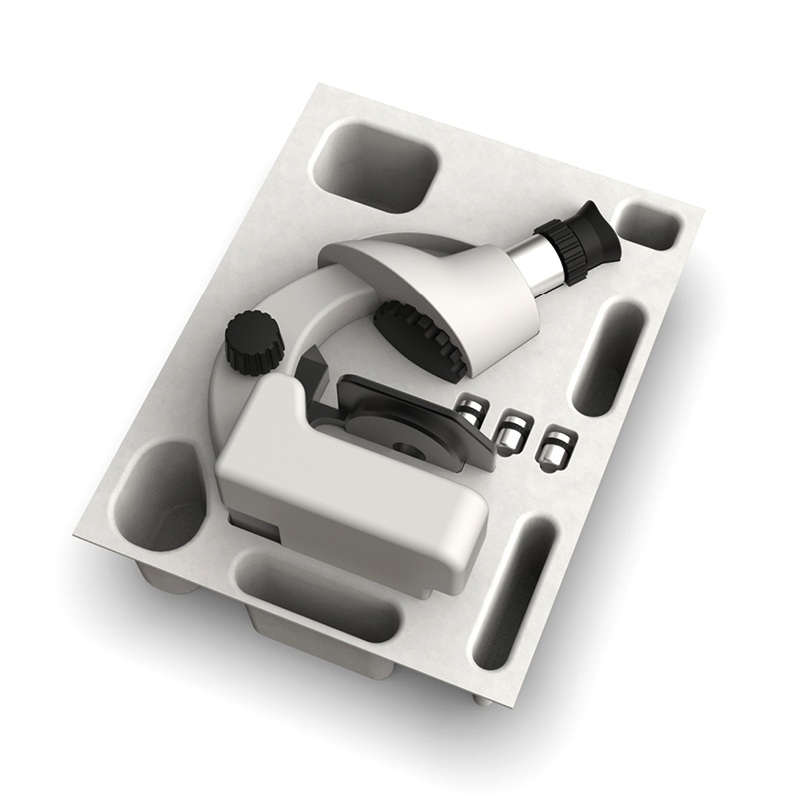
When we collaborate with brands on custom packaging design, we evaluate sustainability through a full lifecycle perspective. For example, a rigid box made from recycled paperboard may have a higher initial material footprint than a lightweight biodegradable pouch. Still, if that box is reused multiple times or easily recycled, its overall environmental impact may be lower. Conversely, a compostable mailer might be ideal for e-commerce brands whose customers lack access to recycling programs but can compost at home. Our role is to guide clients toward packaging that aligns with their logistics, brand values, and customer habits rather than relying on one-size-fits-all sustainability claims.
Another factor we consider is consumer perception. Modern shoppers are more informed than ever and often read packaging labels carefully. If a package is labeled recyclable but local facilities cannot process it, customers may feel misled. Likewise, if biodegradable packaging requires industrial composting yet ends up in a landfill, its environmental benefit is reduced. For this reason, we help brands communicate disposal instructions clearly on their custom packaging, ensuring transparency and building trust with end users. Clear messaging not only supports sustainability goals but also strengthens brand credibility.
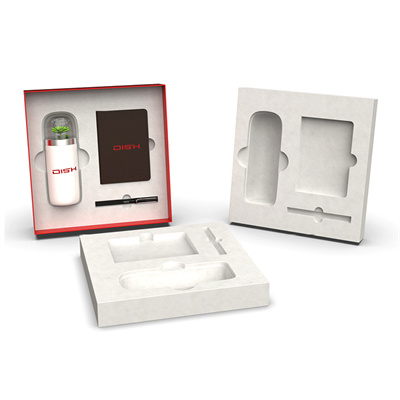
Cost and performance also influence the decision between recyclable and biodegradable options. Some biodegradable materials remain more expensive due to limited production scale, while recyclable materials such as paperboard are widely available and cost-efficient. Durability, moisture resistance, and print quality must also be evaluated, since packaging must protect the product effectively before sustainability benefits can even be realized. We always remind our clients that the most sustainable package is one that performs its function perfectly, because damaged goods create additional waste through returns and replacements.
At CN Eco Packaging, we believe the question is not whether recyclable or biodegradable packaging is better in absolute terms, but which solution is better for a specific application. Custom packaging allows us to tailor material selection, structural design, and finishing processes to match each client’s sustainability priorities and operational realities. By understanding the real difference between recyclable and biodegradable packaging, brands can make informed decisions that reduce environmental impact while maintaining product protection and visual appeal.


