 English
 English
 Views: 0 Author: Site Editor Publish Time: 2026-03-06 Origin: Site


Sustainability is no longer a niche concept in the packaging industry. It has become a defining factor in how brands design, produce, and communicate their packaging strategies. At CN Eco Packaging, we have seen firsthand how the demand for responsible materials and smarter design has reshaped the world of custom packaging. As we move through 2026, brands that want to remain competitive must stay informed about the latest sustainable packaging trends and adapt their packaging strategies accordingly.
One of the most significant developments in recent years is the growing use of recycled materials in custom packaging. Brands are increasingly incorporating post-consumer recycled (PCR) materials into their packaging to reduce reliance on virgin resources. These materials help close the loop in the circular economy by transforming waste into valuable resources for new packaging solutions. Using recycled paperboard, corrugated cardboard, and recycled plastics allows companies to lower their environmental impact while maintaining strong structural performance. In many markets, recycled content is also becoming an important trust signal for consumers who want transparent and measurable sustainability efforts.
Another major trend shaping sustainable custom packaging in 2026 is the shift toward lightweight and optimized packaging structures. At CN Eco Packaging, we believe that sustainability is not only about materials but also about design efficiency. By reducing unnecessary layers, minimizing material usage, and designing packaging that fits products more precisely, brands can significantly lower shipping weight and carbon emissions. Lightweight packaging solutions can reduce transportation fuel consumption and improve logistics efficiency without compromising product protection. This approach also helps businesses lower costs while achieving sustainability goals.
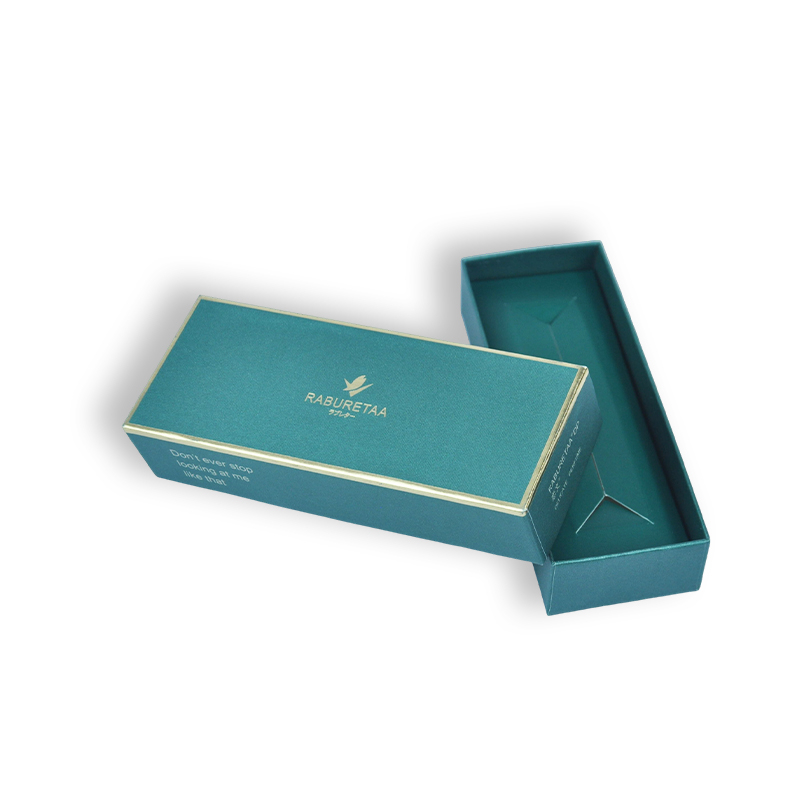
Minimalist packaging design is also gaining momentum as brands strive to reduce environmental impact while maintaining strong brand identity. In the past, packaging often included excessive printing, coatings, and decorative elements. Today, many companies are embracing cleaner designs that use fewer inks and materials. Simplified layouts, natural textures, and neutral color palettes not only reduce production complexity but also communicate authenticity and environmental responsibility. Minimalist custom packaging reflects a "less is more" philosophy that resonates strongly with modern consumers who value transparency and sustainability.
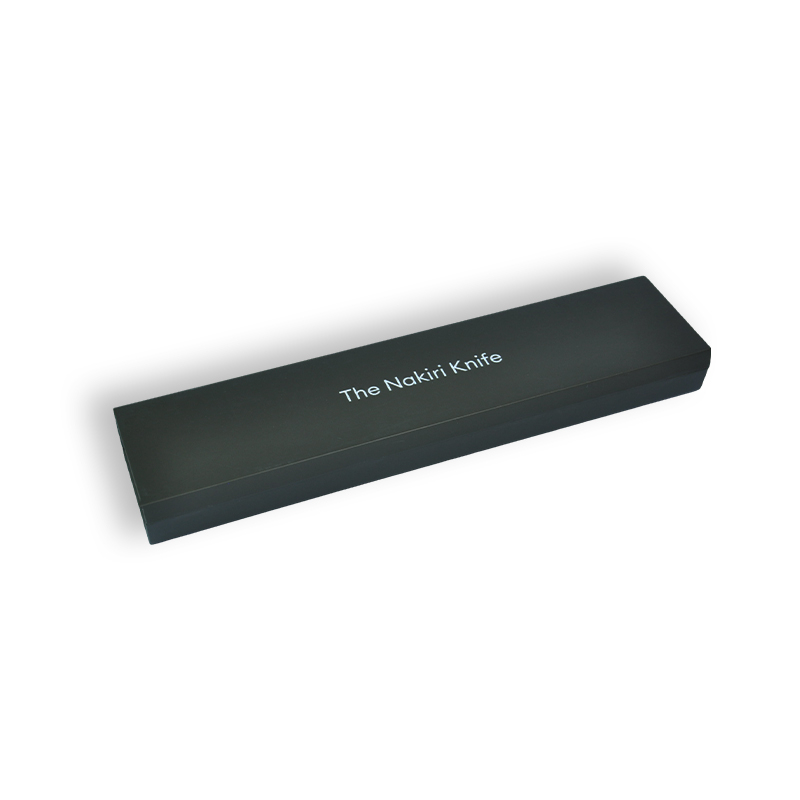
In addition to recycled materials and minimal design, bio-based and compostable materials are becoming increasingly popular. Packaging innovations made from renewable sources such as plant fibers, mushroom mycelium, seaweed, or starch-based plastics are expanding the possibilities for eco-friendly packaging. These materials are designed to break down naturally under appropriate conditions, reducing long-term environmental impact. As technology improves, many of these alternatives are becoming more scalable and commercially viable, allowing brands of all sizes to incorporate them into their custom packaging strategies.
Transparency and traceability are also emerging as critical elements of sustainable packaging. Consumers today expect brands to provide clear information about the environmental impact of their products and packaging. This has led to the rise of smart packaging technologies such as QR codes, digital watermarks, and RFID tags. By scanning a code on the packaging, customers can learn about material sources, recycling instructions, and the product's sustainability journey. This level of transparency helps build trust and encourages responsible disposal behaviors, ultimately supporting the broader goals of the circular economy.
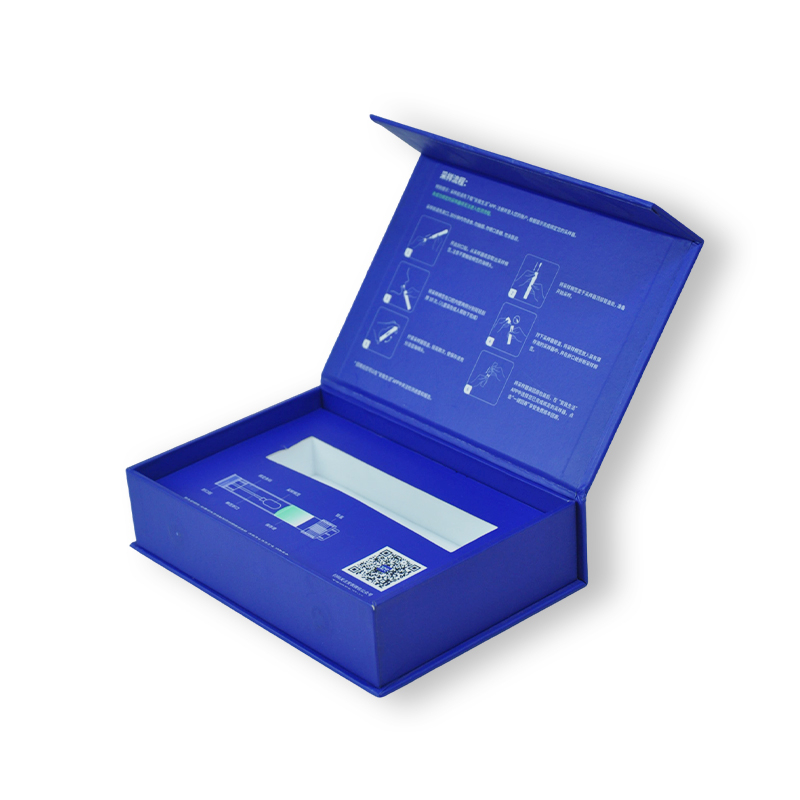
Regulatory pressure is another powerful driver shaping packaging innovation in 2026. Governments around the world are introducing stricter regulations on packaging waste, recycled content requirements, and carbon footprint reporting. Extended Producer Responsibility (EPR) policies are expanding globally, making brands responsible for the lifecycle of the packaging they introduce into the market. These regulations encourage companies to design packaging that is easier to recycle, reuse, or compost. As a result, sustainable custom packaging is no longer just a marketing advantage—it is becoming a regulatory necessity for many industries.
Finally, circular packaging systems are becoming a central focus for forward-thinking brands. Instead of designing packaging for a single use, companies are exploring reusable containers, refillable systems, and packaging that can be easily recovered and reprocessed. Circular packaging strategies aim to keep materials in use for as long as possible, reducing waste and conserving natural resources. This approach aligns perfectly with the long-term vision of a regenerative packaging ecosystem.
At CN Eco Packaging, we believe that the future of custom packaging lies in balancing sustainability, functionality, and brand storytelling. The trends shaping 2026 show that sustainable packaging is evolving beyond simple material substitution. It now involves smarter design, advanced materials, transparent communication, and circular thinking. Brands that embrace these changes will not only reduce their environmental footprint but also strengthen their connection with environmentally conscious consumers.
As sustainability continues to reshape global markets, custom packaging will remain a powerful tool for brands seeking to demonstrate responsibility, innovation, and long-term commitment to the planet. By staying ahead of these trends, companies can ensure their packaging solutions are both environmentally responsible and strategically competitive in the years ahead.


