 English
 English
 Views: 0 Author: Site Editor Publish Time: 2026-08-20 Origin: Site


Many brands fall into a common trap: believing that good packaging simply means a pretty exterior. Over our years of working with clients across various industries at CN Eco Packaging, we’ve come to realize that packaging that truly resonates with consumers and adds value to a brand never relies solely on flashy printing. Instead, it integrates practical functionality, emotional experience, brand expression, and sustainability—consistently delivering value across the entire journey, from retail shelves and logistics transit to daily use at home.
Functionality Is the Bedrock of High-Quality Packaging
The primary role of packaging is to serve both the product and the user. Premium packaging must balance a smooth unboxing experience with robust protection. Usability means consumers can easily open the package without reaching for scissors or knives. It also requires the right weight balance: light enough to avoid inflating logistics costs, yet sturdy enough to prevent product quality from feeling cheap. Whether it is handled by retailers on warehouse shelves or used by consumers at home, interaction should feel effortless and frustration-free. Protective performance cannot be compromised. Throughout long supply chains, items endure stacking, jostling, and temperature swings. Utilizing resilient materials like corrugated cardboard shields products from bumps during transit, ensuring they arrive in pristine condition. Receiving an undamaged item directly boosts consumer trust in the brand while reducing losses from returns.
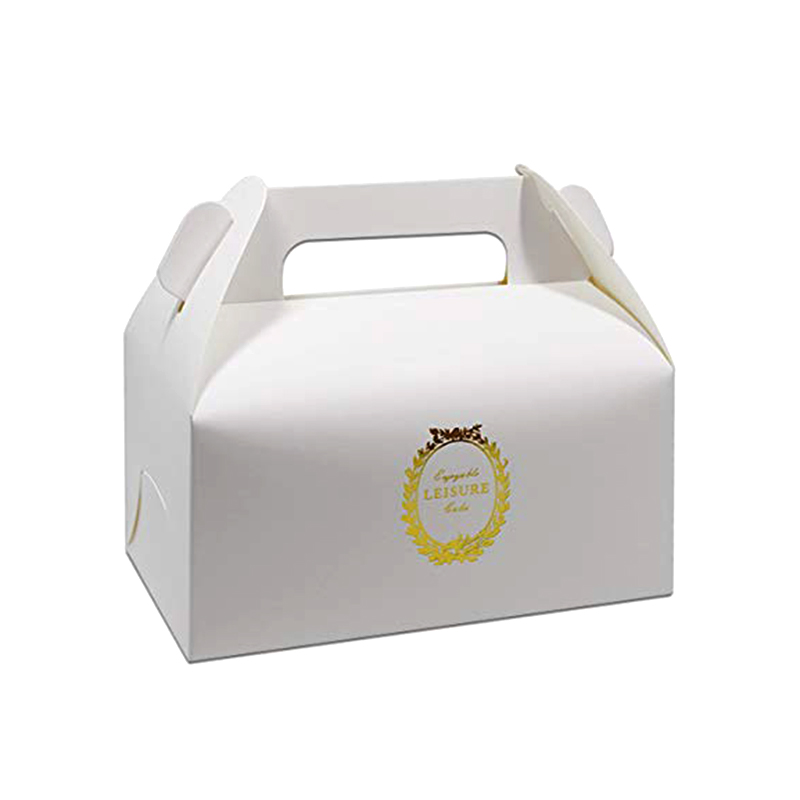
Adaptability is equally essential. Different consumption contexts call for distinct packaging solutions. Whether for single-serve portions or multi-item sets, packaging must suit warehouse storage, shelf displays, and the limited storage space of average households. In the baking industry, for instance, a well-designed Cake Box prevents the cake from deforming during delivery, stacks efficiently in the shop, and fits comfortably in a customer's home storage. Flexible structural design allows packaging to blend seamlessly into everyday life.
Create an Immersive Experience That Tells Your Brand Story
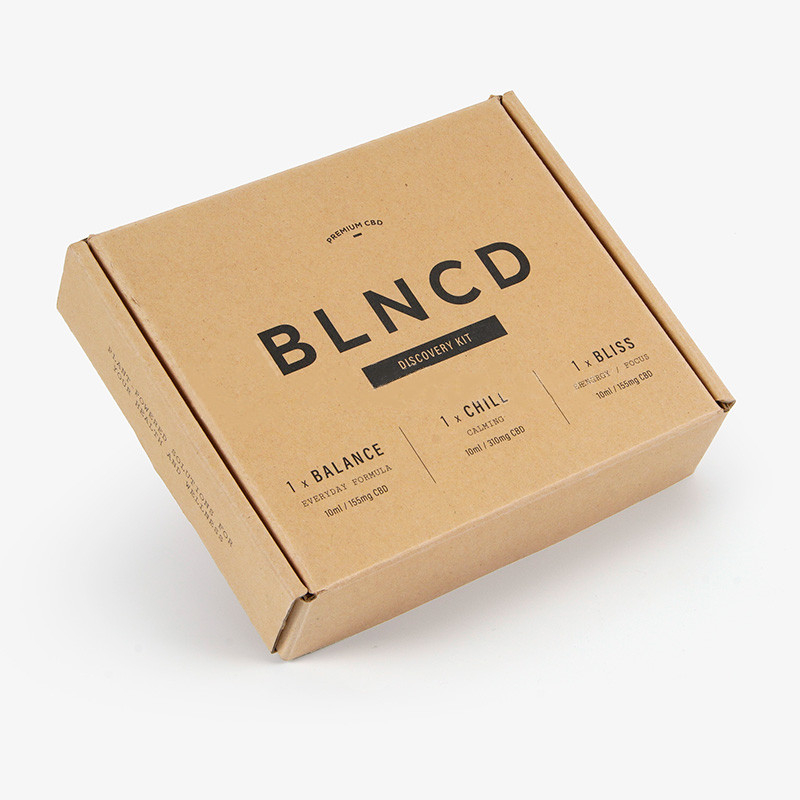
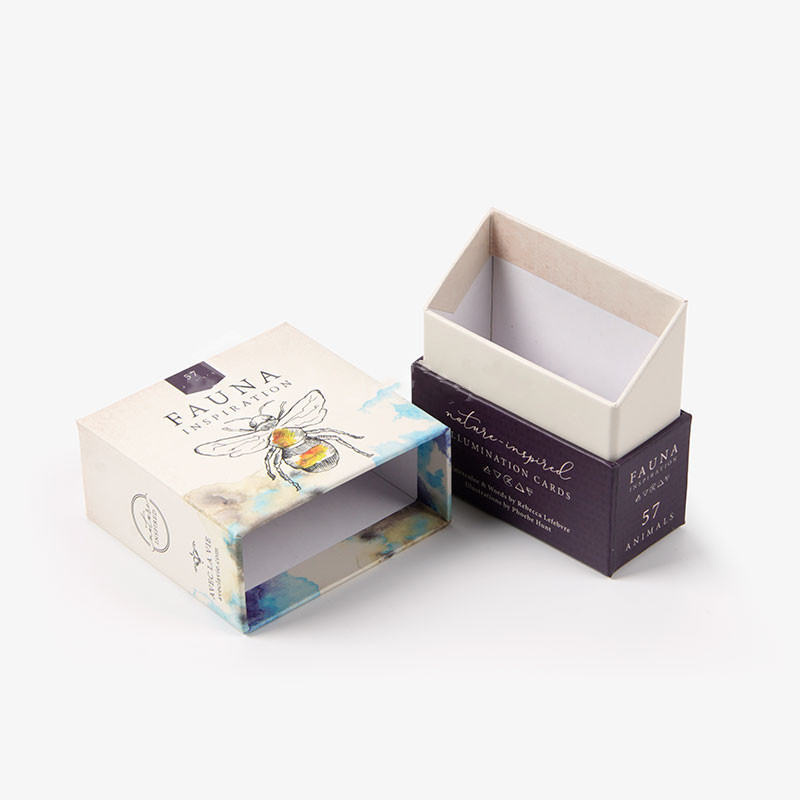
Once core functionality is assured, packaging becomes a dialogue between brand and consumer. The tactile feel of materials, color palette, and surface textures work together to craft a sensory unboxing experience, projecting the brand's true character—be it minimal and relaxed, or sophisticated and premium. This goes beyond mere visual appeal. The delight of opening a package, the subtle texture beneath your fingertips, and the emotions evoked by colors and graphics all serve to build an emotional bond with the customer. Many brands opt for Custom Gift Boxes to elevate the gift-giving ritual, turning the unboxing process itself into a memorable experience.
Brand elements should be integrated naturally rather than forced into a cluster of logos. Consistent color schemes, typography, and visual motifs reinforce brand recognition. Consumers can instantly spot your product among competitors on a shelf. Even after purchase, packaging that remains in the home continues to deepen brand impression and gradually build loyalty. Of course, clarity of information is crucial. Displaying ingredients, usage instructions, and safety warnings prominently helps consumers quickly gather key details and make informed decisions—an aspect of quality packaging that is often overlooked.
Sustainable Design Has Become a Standard Feature
Modern consumers, particularly Gen Z, increasingly value corporate social responsibility and are willing to pay a premium for eco-friendly products. Sustainability is no longer just a marketing gimmick; it is an essential baseline for high-quality packaging. Using recyclable or compostable raw materials, minimizing excess packaging layers, and opting for mono-materials that are easy to separate for recycling helps lower the overall carbon footprint. When creating custom packaging solutions, we prioritize local recycling regulations to strike the right balance between eco-compliance and practical performance—never sacrificing protection or user experience for the sake of green positioning. You can also showcase your environmental commitment directly through package printing. Simple material notes and recycling guides inform consumers on how to dispose of the packaging properly. Choosing your product becomes an act of sustainable consumption, creating a shared value that strongly appeals to eco-conscious shoppers.
Practical Considerations: Cost and Compliance
Even ideal packaging designs must align with commercial reality. High quality does not mean recklessly piling on expensive techniques; it requires balancing materials, printing, and production expenses so the packaging adds value to the product without unreasonably driving up total costs. Furthermore, local regulatory standards are non-negotiable. Rules for labeling and safety vary by region, making it critical for cross-border brands to research requirements early to avoid compliance hurdles before launch.
Conclusion
Exceptional packaging is a synthesis of utility, experience, brand expression, and sustainability. It protects the product and makes it easy to use, while telling a compelling brand story, meeting environmental obligations, and remaining viable within commercial constraints. Packaging is no longer just an outer shell. It is a silent brand ambassador. From the first impression on the shelf to the moment of unboxing and eventual disposal, every touchpoint shapes how consumers perceive your brand. If you are exploring ways to upgrade your packaging, reach out to CN Eco Packaging. We can work together to craft solutions tailored to your product positioning that harmonize practicality, aesthetics, and sustainability.


