 English
 English
 Views: 0 Author: Site Editor Publish Time: 2026-05-29 Origin: Site


In an era defined by environmental consciousness and rapid regulatory evolution, the packaging industry is undergoing a profound transformation. At CN Eco Packaging, we have witnessed this shift firsthand—what was once considered a niche market preference has rapidly matured into a global imperative. Today, eco-friendly packaging is not merely an ethical choice; it is becoming the standard by which businesses are measured, and custom packaging sits at the very heart of this revolution. As a dedicated provider of tailored packaging solutions, we understand that sustainability and customization are no longer separate conversations. They are deeply intertwined, shaping the future of how products are protected, presented, and perceived around the world.
The most powerful force driving this global standardization is the modern consumer. Shoppers today are more informed and more discerning than ever before. They scan labels, question material origins, and actively seek out brands that reflect their personal values. A recent wave of purchasing behavior shows that a significant majority of consumers are willing to pay a premium for products housed in sustainable materials, and they will quickly abandon a brand that uses excessive, non-recyclable packaging. This is where the power of custom packaging becomes undeniable. Generic, off-the-shelf boxes often overcompensate with void fill and non-recyclable tapes, creating a negative unboxing experience that screams waste. By contrast, when a business invests in eco-friendly custom packaging designed precisely to the dimensions of their product, they immediately signal intentionality. They tell a story of care, precision, and respect for the planet. At CN Eco Packaging, we help our clients craft this narrative through custom packaging that uses recycled cardboard, soy-based inks, and water-activated paper tapes—elements that consumers recognize and appreciate instantly. This direct alignment with consumer ethics is turning sustainable custom packaging from a marketing bonus into a baseline expectation.
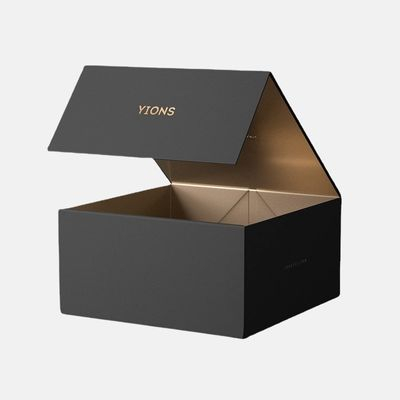
Parallel to consumer demand is a tidal wave of legislation that leaves no corner of the globe untouched. Governments from the European Union to Southeast Asia and the Americas are implementing strict Extended Producer Responsibility (EPR) laws and banning single-use plastics. The EU’s directive on packaging and packaging waste, for instance, sets ambitious recycling targets and mandates that packaging must be designed for circularity. Canada is phasing out certain harmful plastics, and numerous U.S. states have introduced rigorous recycled-content mandates. For multinational brands and small e-commerce entrepreneurs alike, navigating this fragmented regulatory landscape without a strategic partner is a monumental challenge. This is precisely why sustainable custom packaging has transitioned from a trend to a global operational standard. By collaborating with a specialist like CN Eco Packaging, businesses can ensure their custom packaging is not only compliant with current laws but is future-proofed against upcoming restrictions. We engineer solutions that minimize material volume, eliminate toxic adhesives, and incorporate post-consumer recycled content, all while adhering to the destination market's specific legal requirements. Compliance, therefore, becomes a seamless feature of a beautifully designed package, transforming a potential legal headache into a competitive advantage.
The misconception that sustainability is prohibitively expensive has been thoroughly debunked by advances in material science and supply chain logistics. Traditional packaging often relies on a one-size-fits-all model, leading to oversized boxes that waste material, increase dimensional weight charges from carriers, and require expensive plastic fillers. In contrast, a well-executed custom packaging strategy embraces right-sizing. At CN Eco Packaging, our design process focuses on creating a perfect fit for each product, eliminating dead space and reducing the overall cubic volume of shipments. This allows our clients to ship more units per pallet, significantly lowering freight costs and warehouse storage needs. Furthermore, replacing virgin plastics with lightweight, molded pulp or corrugated alternatives reduces the overall package weight, slashing carbon emissions and shipping fees simultaneously. The operational savings generated by these design efficiencies often offset the initial investment in custom packaging, turning sustainability into a driver of profitability. As more companies discover that green packaging can be synonymous with lean packaging, the global shift toward this standard accelerates, powered by a healthy bottom line.
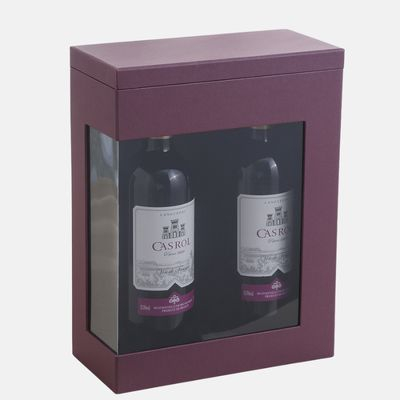
The evolution of material innovation has ensured that choosing the planet does not mean compromising on aesthetics or durability. The early days of "green" packaging were often associated with rough, brown, and uninspiring materials. That era is decisively behind us. Today, eco-friendly custom packaging offers a luxurious and premium canvas that was previously unattainable. We can print vivid, high-definition graphics directly onto FSC-certified recycled paperboard using algae-based or water-based inks that are perfectly safe for composting. We can create striking textures with hemp-based papers or incorporate transparent windows made from certified compostable PLA films derived from cornstarch, rather than petrochemical polyvinyl chloride. These innovations allow brands to deliver a memorable unboxing experience that feels indulgent yet responsible. When a customer receives a subscription box from a cosmetics brand, for example, and finds it crafted from mushroom-based mycelium foam wrapped in a custom-printed seed paper, the conversation shifts entirely. The packaging becomes a gift in itself, something to be replanted rather than discarded. This level of innovation is not confined to high-end luxury goods; it is rapidly scaling across industries, making the argument for conventional plastic packaging increasingly obsolete. Custom packaging serves as the vehicle for these materials, allowing brands to differentiate themselves in a crowded marketplace while adhering to the emerging global standard of circular design.

The explosive growth of e-commerce has acted as an unrelenting catalyst in this transformation. The pandemic-era surge in online shopping created a visible waste crisis on consumers' doorsteps: mountains of corrugate, bubble wrap, and polystyrene foam. This visibility generated a collective demand for change. Direct-to-consumer brands realized that the package is the only physical touchpoint they have with a customer, making it a critical brand ambassador. A plain brown box with a plastic air pillow sends a very different message than a thoughtfully engineered, fully recyclable custom packaging solution with a cleverly integrated return system. We at CN Eco Packaging have observed that e-commerce businesses that.


