 English
 English
 Views: 0 Author: Site Editor Publish Time: 2026-08-18 Origin: Site


Packaging is no longer simply a protective layer around a product. In today's competitive global market, it has become an important part of brand strategy, customer experience, product presentation, and sustainable business development.
The rapid growth of e-commerce, cross-border retail, and global consumer markets has fundamentally changed how people perceive packaging. Consumers increasingly expect packaging to do more than protect a product during transportation. They expect it to communicate brand identity, create a memorable unboxing experience, demonstrate product quality, and reflect a company's values. For businesses, this means that packaging has evolved from a functional necessity into a valuable brand asset. Well-designed custom packaging can influence how customers perceive a product, strengthen brand recognition, support premium positioning, and even contribute to repeat purchases and organic social media exposure.
How Packaging Has Evolved From Protection to Brand Experience
Traditional packaging primarily focused on practical requirements such as durability, product protection, storage, and transportation. As long as a package could safely deliver a product to the customer, it generally fulfilled its purpose. Today's market is very different. With increasing product competition and more brands selling through online channels, consumers are exposed to countless similar products every day. Functional differences between competing products can be difficult to recognize, especially in highly competitive categories. Packaging provides an opportunity to create immediate differentiation. Through customized structures, colors, materials, printing, and finishing techniques, brands can create packaging that reflects their unique visual identity. Instead of using generic packaging, businesses can develop a consistent presentation that connects the physical product with their overall brand image. This is particularly important for e-commerce businesses. When customers cannot visit a physical store or experience a product before purchasing, packaging becomes one of their first tangible interactions with the brand.
Why Custom Packaging Matters for Modern Brands
Effective custom packaging does more than make a product look attractive. It can support several important aspects of a business, from brand recognition and customer experience to logistics and cost management.
Building a Distinctive Brand Identity
A consistent packaging system helps customers recognize a brand more easily. Brand colors, logos, typography, materials, structural designs, and finishing details can all contribute to a recognizable visual identity. This is especially valuable in markets where products from different brands have similar functions. Distinctive packaging allows businesses to communicate their positioning before customers even use the product. Premium brands may choose sophisticated materials and refined finishing techniques, while eco-conscious brands may emphasize recyclable materials and minimalist structures. The packaging can therefore become a physical representation of the brand itself.
Creating a Memorable Unboxing Experience
The unboxing experience has become increasingly important in e-commerce. A carefully designed package can transform a routine delivery into a more engaging customer experience. Opening a well-presented package can create a sense of anticipation and perceived value that generic packaging often cannot provide. For brands selling premium products, gifts, cosmetics, jewelry, lifestyle products, and specialty goods, this experience can have a direct influence on customer satisfaction and brand perception.
Supporting Premium Product Positioning
Packaging also affects perceived product value. A high-quality product presented in weak or generic packaging may fail to communicate its actual value. In contrast, carefully designed packaging can create a stronger first impression and reinforce premium positioning. This is why packaging plays such an important role in industries such as cosmetics, jewelry, luxury accessories, specialty foods, wine, and premium consumer goods.
Choosing the Right Packaging for Different Products
There is no single packaging format suitable for every product. The right solution depends on the product itself, brand positioning, distribution channel, budget, storage requirements, and customer experience goals.
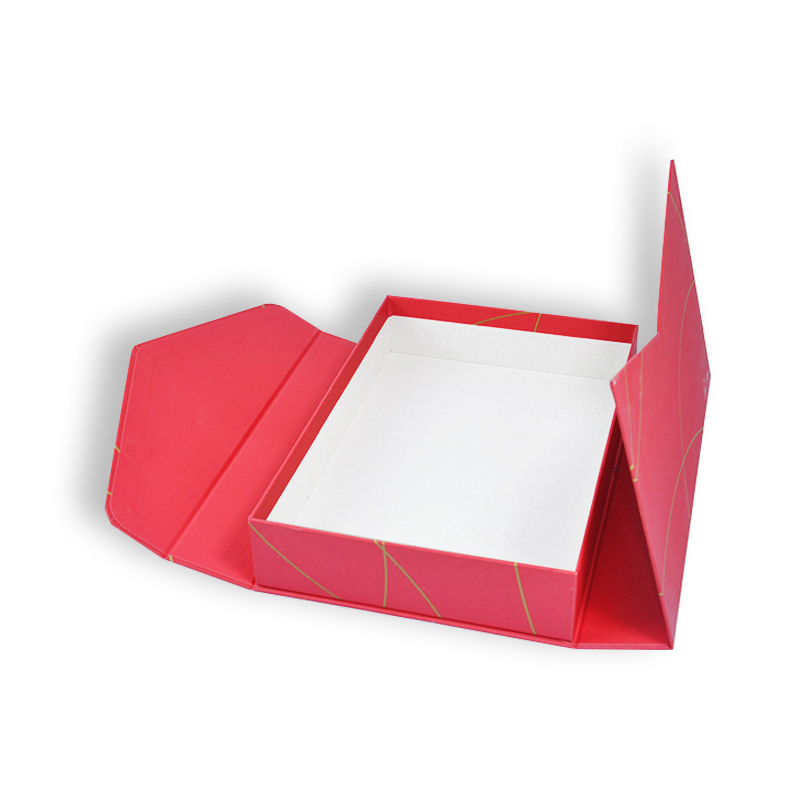
A custom gift box is an effective solution for brands that want to create a stronger sense of presentation and occasion. Custom gift boxes can be used for seasonal promotions, corporate gifts, product launches, subscription products, customer appreciation programs, and premium retail products. Structural options such as magnetic closures, ribbon details, inserts, specialty papers, and customized printing can be combined to create a packaging experience that reflects the brand's identity. For businesses competing in premium markets, a well-designed gift box can turn the packaging itself into part of the product experience.
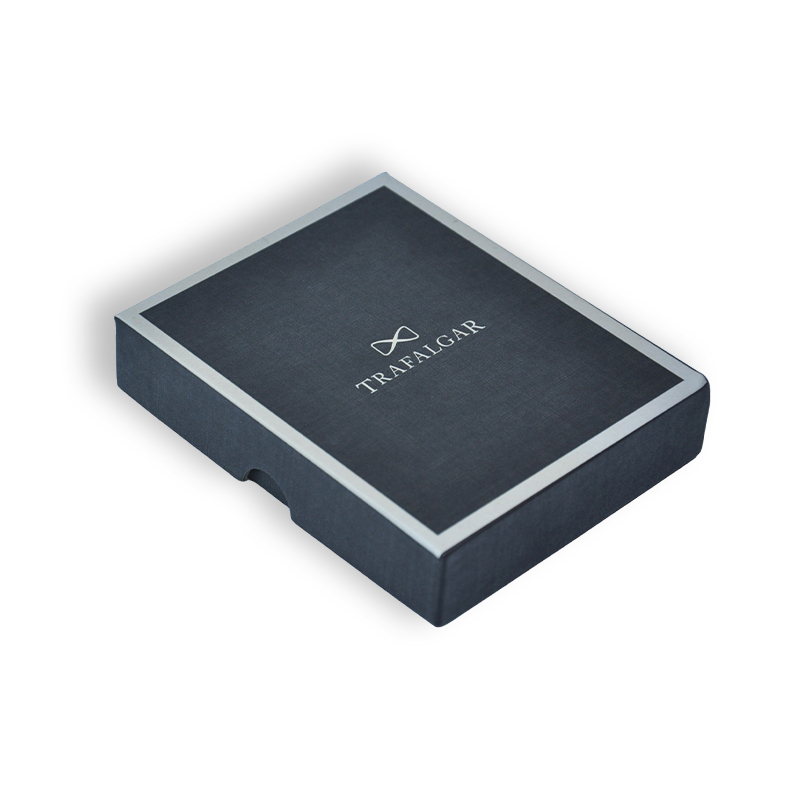
A rigid box is particularly suitable for products that require a premium appearance, strong structural support, and a high-end unboxing experience. Rigid boxes are constructed with thick paperboard and can be customized with different papers, printing methods, coatings, embossing, debossing, and hot foil stamping. These features provide both visual and tactile appeal, making rigid boxes suitable for cosmetics, jewelry, luxury accessories, fragrances, specialty products, and premium gifts. More importantly, the structure of a rigid box can communicate quality before the customer even sees the product inside.
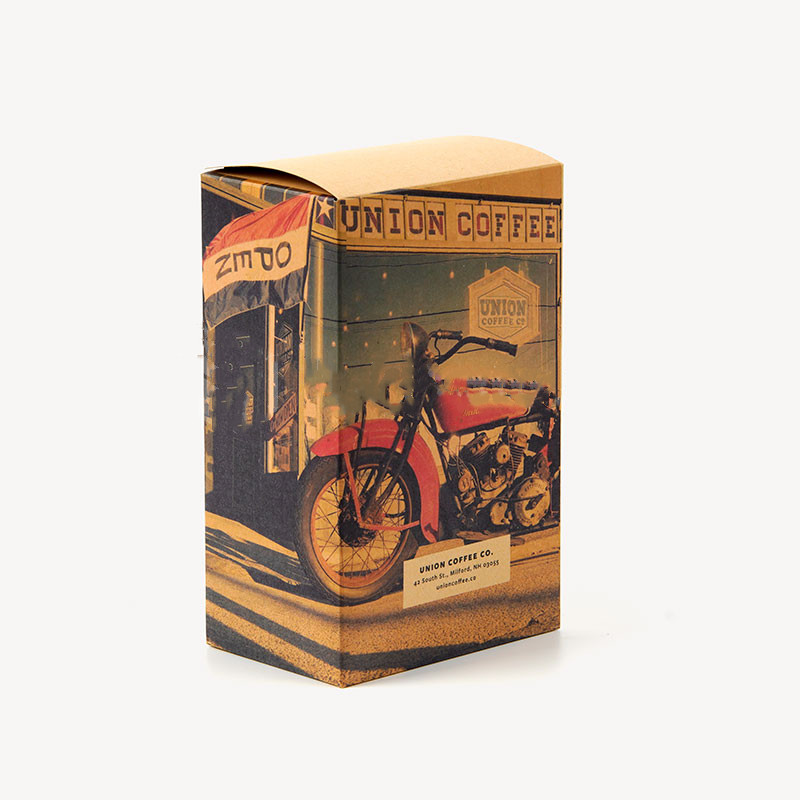
For mass-market products, everyday consumer goods, and high-volume e-commerce products, a folding carton offers a practical balance between presentation, functionality, and cost. Folding cartons are lightweight, easy to store, and efficient to transport. They also provide a large printable surface for branding, product information, graphics, and regulatory details. Their flat-packed structure helps reduce storage requirements before assembly, while customized dimensions can improve space utilization during transportation. For products distributed through supermarkets, retail stores, e-commerce platforms, and multiple sales channels, folding cartons can provide an efficient packaging solution without sacrificing brand presentation.
Sustainable Packaging Is Becoming a Business Priority
Sustainability has become an increasingly important consideration across the global packaging industry. Consumers, retailers, and international buyers are paying greater attention to packaging materials, recyclability, unnecessary packaging, and overall environmental impact. At the same time, environmental regulations in many international markets continue to evolve. For brands targeting Europe, North America, and other environmentally conscious markets, packaging choices can influence both customer perception and long-term market positioning.
Using responsibly sourced paper, recyclable materials, biodegradable options where appropriate, and efficient packaging structures can help reduce unnecessary material consumption and packaging waste. Sustainable packaging does not simply mean replacing one material with another. Effective packaging optimization also involves reducing excessive layers, improving structural efficiency, minimizing unused space, and selecting appropriate printing and finishing processes. When sustainability is incorporated into packaging design from the beginning, brands can better balance environmental responsibility, product protection, appearance, and cost.
How Custom Packaging Can Help Reduce Business Costs
Custom packaging is sometimes perceived as more expensive than standard packaging. However, the initial unit price does not tell the complete story. A properly designed package can help reduce costs throughout the supply chain. For example, an optimized structure can improve product protection during international transportation and reduce the risk of damage caused by impacts, compression, moisture, or repeated handling. Reducing product damage can also help businesses lower costs associated with returns, replacements, customer complaints, and after-sales service.
Packaging dimensions can have an equally important impact. A package that is unnecessarily large can consume additional warehouse space and increase transportation costs. More precise dimensions can improve storage efficiency and reduce wasted space during shipping. For e-commerce businesses and international brands, these savings can become significant when multiplied across thousands of shipments. At the same time, high-quality packaging can increase perceived product value and support a stronger retail price. This allows brands to compete through differentiation and quality rather than relying solely on low prices.
Packaging as a Marketing Tool in E-Commerce
The growth of e-commerce has made packaging an increasingly visible part of the customer journey. In a physical store, customers can see a product from different angles, touch the packaging, compare products on shelves, and interact with sales staff. Online shopping removes many of these experiences. As a result, packaging becomes an important physical touchpoint after purchase.
A distinctive package can make the delivery experience more memorable and encourage customers to share their purchases online. Platforms such as Instagram, TikTok, and Xiaohongshu have further increased the marketing potential of visually appealing packaging. When customers voluntarily share an unboxing experience, packaging can generate user-created content and organic exposure without requiring additional advertising expenditure. This makes packaging more than a delivery container. It can become part of a brand's marketing strategy.
What Makes an Effective Custom Packaging Solution?
Successful packaging should balance several factors rather than focusing only on appearance. The structure should provide appropriate product protection. The materials should match the product and brand positioning. The dimensions should be optimized for storage and transportation. The visual design should communicate the brand identity. Production methods should fit the required quantity and budget. Sustainability should also be considered where appropriate.
This is why packaging development requires more than simply printing a logo on a standard box. A professional packaging manufacturer can evaluate the product, distribution environment, target market, branding requirements, and production specifications before recommending the appropriate packaging structure and materials.
Custom Packaging Solutions From CN Eco Packaging
As an experienced packaging manufacturer, CN Eco Packaging provides integrated packaging solutions covering design support, structural development, sampling, mass production, quality control, and packaging optimization.
The focus is not simply on producing attractive boxes, but on developing packaging that balances brand presentation, product protection, functionality, cost efficiency, and sustainability. From custom gift boxes and premium rigid boxes to practical folding cartons and other paper-based packaging solutions, packaging can be developed according to the product, brand positioning, target market, order volume, and budget. By combining packaging structure, materials, printing, finishing techniques, and production expertise, CN Eco Packaging helps brands develop packaging that is both visually distinctive and commercially practical.
Packaging Is Now Part of the Brand
Packaging has moved far beyond its traditional role as a protective layer around a product. In today's competitive market, it can influence first impressions, communicate brand identity, improve the unboxing experience, support premium positioning, reduce logistics inefficiencies, and demonstrate a commitment to sustainability.
For brands competing in global markets, investing in the right custom packaging is therefore not simply an additional cost. It can be an important part of building a stronger and more recognizable business. At CN Eco Packaging, the goal is to create packaging that combines refined design, reliable protection, practical functionality, and responsible material choices. By developing packaging around each brand's specific products and requirements, the right packaging can become more than a container—it can become a meaningful part of the brand experience.
Looking for a packaging solution that fits your product, brand, and budget? CN Eco Packaging provides custom packaging solutions from design and prototyping to mass production. Contact our packaging team to discuss your packaging project.


